Why Most Compensation Strategies Break Down Under Pressure
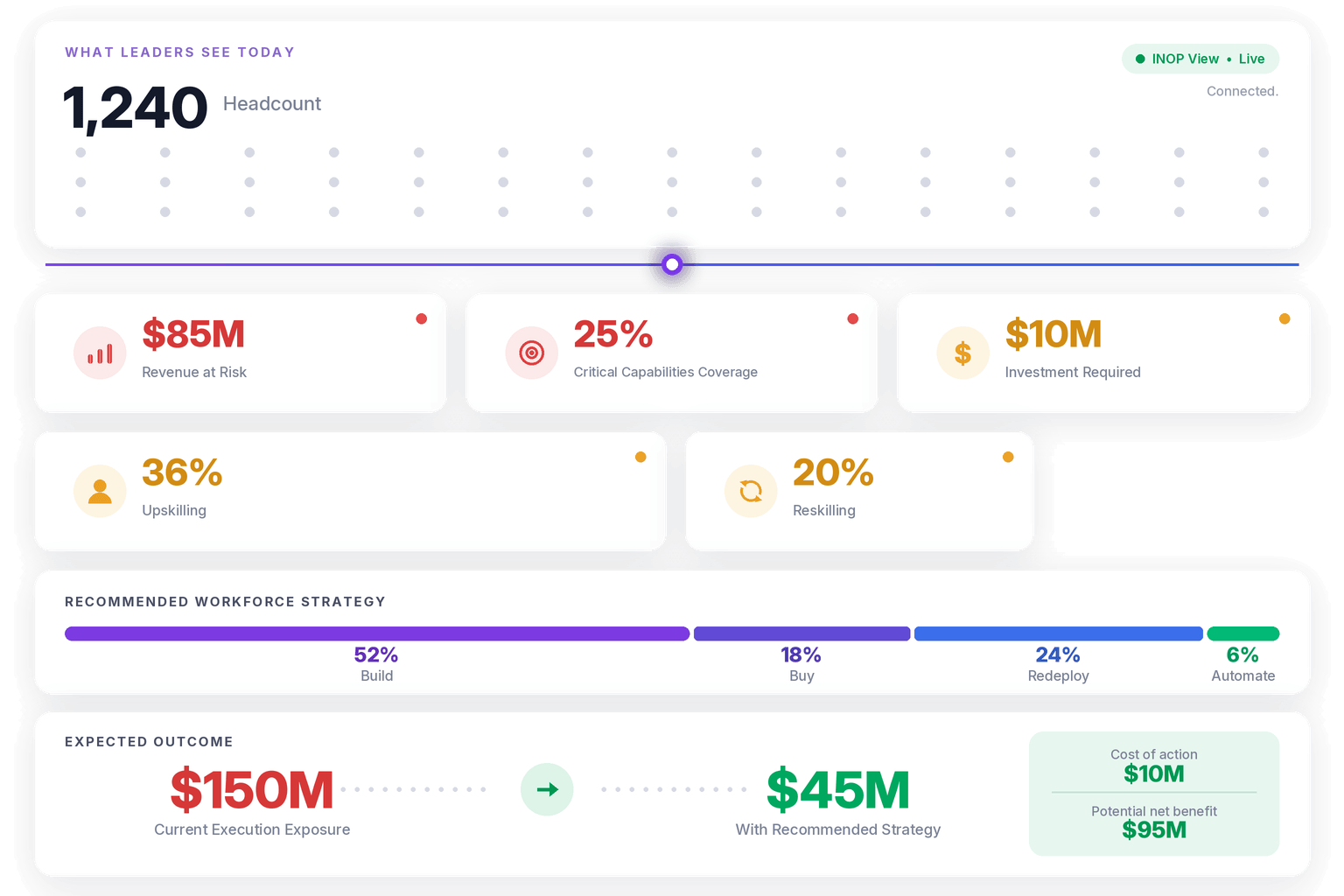
What would happen to your organization’s payroll if revenue dropped 25% next quarter, or if a sudden talent shortage forced you to raise salaries 15% above budget just to retain your top performers? These aren’t fringe possibilities. They’re the kinds of real disruptions that have blindsided thousands of organizations over the past few years. And yet, the vast majority of companies still design their compensation strategies around a single, optimistic forecast.
Financial scenario planning is the discipline that changes that equation. By stress-testing your compensation model against multiple possible futures (not just the one you’re hoping for) you gain the strategic clarity to make confident decisions even when conditions shift fast. This article will walk you through exactly what financial scenario planning looks like when applied to compensation strategy: why it matters, how to build meaningful scenarios, what variables to test, and how organizations of different sizes can put this into practice.
If you’re in HR leadership, finance, or at the executive level, this is one of the most powerful (and most underused) tools available to you.
What Financial Scenario Planning Means in a Compensation Context
Financial scenario planning is the structured process of modeling multiple potential futures and evaluating how your organization’s financial and operational performance would hold up under each one. When applied to compensation strategy specifically, it means moving beyond the annual salary review cycle and asking deeper questions:
- Can our current payroll structure survive a 20% revenue contraction?
- What happens to our ability to attract talent if competitors raise base salaries by 10%?
- If we need to freeze hiring for 12 months, how do we retain critical roles without permanent pay increases?
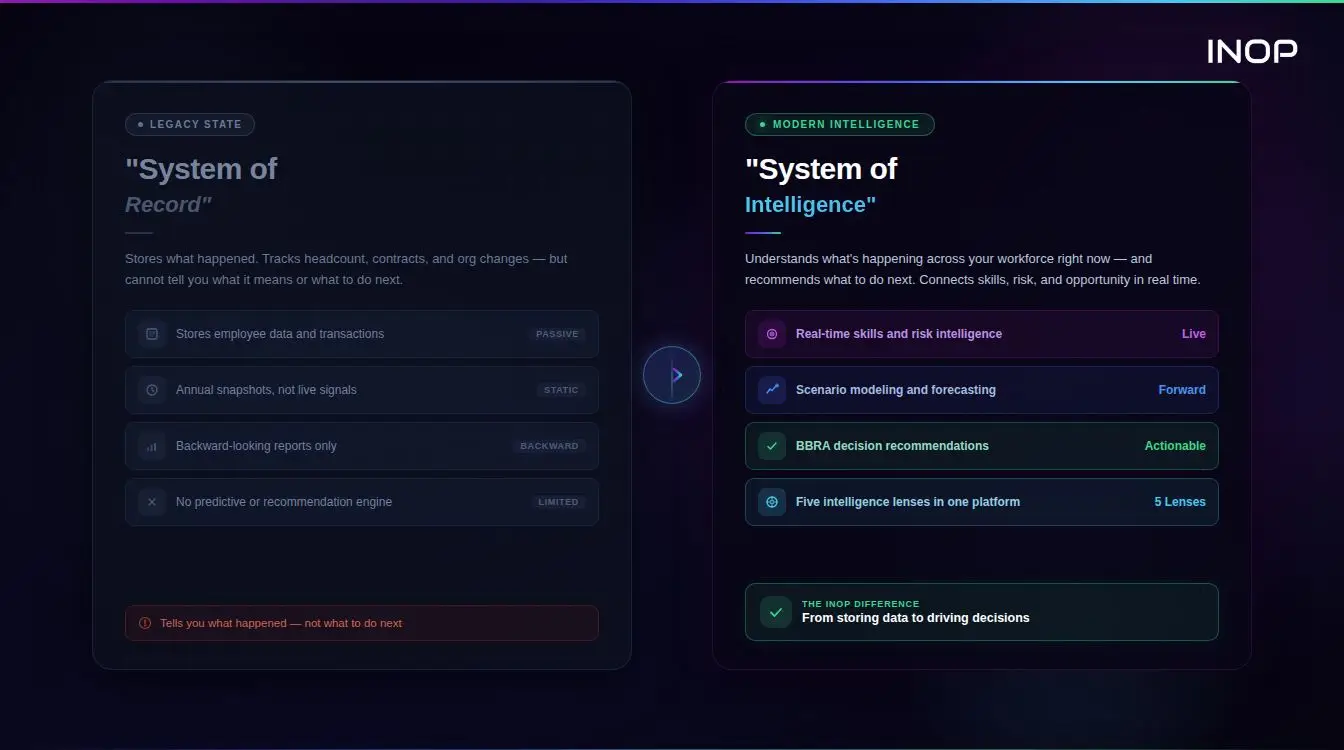
The distinction between standard compensation planning and scenario-based compensation planning is significant. Traditional compensation planning is largely backward-looking, it uses last year’s budget, benchmarking data, and performance reviews to determine this year’s pay decisions. Financial scenario planning is forward-looking and dynamic. It introduces uncertainty deliberately, so leaders are never caught making high-stakes decisions without having already thought through the implications.
According to a 2023 Deloitte Human Capital Trends report, only 38% of HR leaders said their organization had a formal process for stress-testing compensation decisions under different economic conditions. That gap represents real organizational risk, and a meaningful competitive opportunity for those who close it.
The Three Core Scenarios Every Organization Should Model
You don’t need to model every conceivable future. What you need are three well-constructed scenarios that represent meaningfully different conditions: a baseline, a downside, and an upside. Each one tells a different story, and each one demands a different compensation response.
The Baseline Scenario
This is your most likely outcome: moderate growth, stable hiring, and compensation increases roughly aligned with inflation and market benchmarks. For most organizations in a normal operating environment, baseline assumptions might include 3–5% merit increases, headcount growth of 5–10%, and total compensation costs rising in line with revenue.
The baseline scenario is where you validate your existing plan. It’s not about being optimistic, it’s about confirming that your strategy works under normal conditions before you test it under stress.
The Downside Scenario
This is where the real stress-testing happens. A downside scenario might model a 20–30% revenue decline, a hiring freeze, forced restructuring, or some combination of external shocks, an economic recession, a key client departure, or a supply chain disruption that compresses margins. Under this scenario, you’re asking: what does our compensation strategy look like when the financial pressure is real?
Here’s a concrete example. Suppose your organization has an annual payroll of $12 million. A 25% revenue decline might trigger a required cost reduction of $1.8 million just to maintain operating margins. Financial scenario planning forces you to decide in advance: do you reduce headcount, freeze salaries, cut variable compensation, or some combination? The time to make that decision framework is before the crisis, not during it.
The Upside Scenario
Growth brings its own challenges. An upside scenario might model rapid expansion into new markets, an acquisition that adds 50 new employees, or a talent shortage that drives salary inflation across your sector. Under these conditions, your compensation strategy needs to scale quickly, remain equitable, and stay competitive without overextending your budget.
Organizations that fail to plan for upside scenarios often find themselves making reactive, inconsistent pay decisions during periods of growth, a pattern that creates long-term equity problems and retention risks that show up years later.
Key Variables to Stress-Test in Your Compensation Model
Once your scenarios are defined, you need to identify which variables within your compensation model are most sensitive to change. Not all compensation components carry equal risk, and understanding where your exposure lies is half the battle.
Base Salary as a Fixed Cost Commitment
Base salary is your most rigid compensation component. Once granted, it’s extraordinarily difficult to reduce without serious employee relations consequences. In your financial scenario planning process, model base salary as a near-fixed cost under the downside scenario and ask whether your current payroll structure is sustainable at 70%, 80%, or 90% of projected revenue.
A useful benchmark: most compensation experts recommend that total base salary costs should not exceed 50–60% of gross revenue for professional services firms, and 25–35% for technology companies with higher variable cost models. If your baseline is already at the ceiling, your downside exposure is severe.
Variable Compensation and Incentive Pay
Incentive pay (bonuses, commissions, profit-sharing) is inherently more flexible. In downside scenarios, it naturally compresses as performance targets become harder to hit. But this flexibility can become a retention risk if employees begin to see their total compensation decline materially. Your scenario plan should model not just what you’ll save in variable pay during a downturn, but what the impact will be on voluntary turnover, and what it will cost to replace the people who leave.
Research from SHRM estimates that the average cost to replace an employee ranges from 50% to 200% of their annual salary, depending on role complexity. That’s a number worth keeping front of mind when you’re modeling what happens to retention during a compensation freeze.
Benefits and Non-Cash Compensation
Benefits often account for 25–30% of total compensation cost and are easy to overlook in scenario planning because they feel fixed. But there’s meaningful flexibility here too. Under a downside scenario, organizations might evaluate plan design changes, cost-sharing adjustments, or shifting from richer defined benefit structures to more scalable defined contribution models. These decisions have long lead times, which is precisely why they need to appear in your scenario models early.
Equity and Long-Term Incentives
For organizations that use equity compensation (stock options, RSUs, performance shares) financial scenario planning must account for the impact of valuation changes on perceived compensation value. In a downturn, underwater options don’t retain talent. In a strong growth scenario, unexpected equity dilution can create its own set of financial and cultural challenges. Modeling equity under different valuation scenarios is especially important for pre-IPO and growth-stage companies.
How to Build a Scenario Planning Process That Actually Works
Financial scenario planning sounds sophisticated, but the mechanics don’t have to be complicated. What matters most is that the process is structured, collaborative, and repeated regularly.
Align Finance and HR from the Start
One of the most common reasons scenario planning fails is that HR and Finance work in separate silos. HR builds the people plan; Finance builds the financial model, and the two never really talk to each other until there’s a problem. Effective scenario planning requires a joint working group that includes total rewards leaders, FP&A analysts, and executive stakeholders who can make real decisions.
Define Your Trigger Points in Advance
Each scenario should come with predefined trigger conditions, the specific metrics that would signal you’re moving from baseline toward downside or upside. For example: “If Q2 revenue falls more than 15% below forecast, we activate the downside compensation plan.” Having these triggers pre-agreed means that when conditions shift, your team can act quickly and consistently rather than debating from scratch.
Run Scenario Reviews Quarterly, Not Annually
Most organizations update their compensation models once a year. In a volatile environment, that’s simply not enough. Build quarterly checkpoints into your process where you reassess which scenario you’re tracking toward and whether your compensation strategy needs to be adjusted accordingly.
Use Real Data, Not Just Assumptions
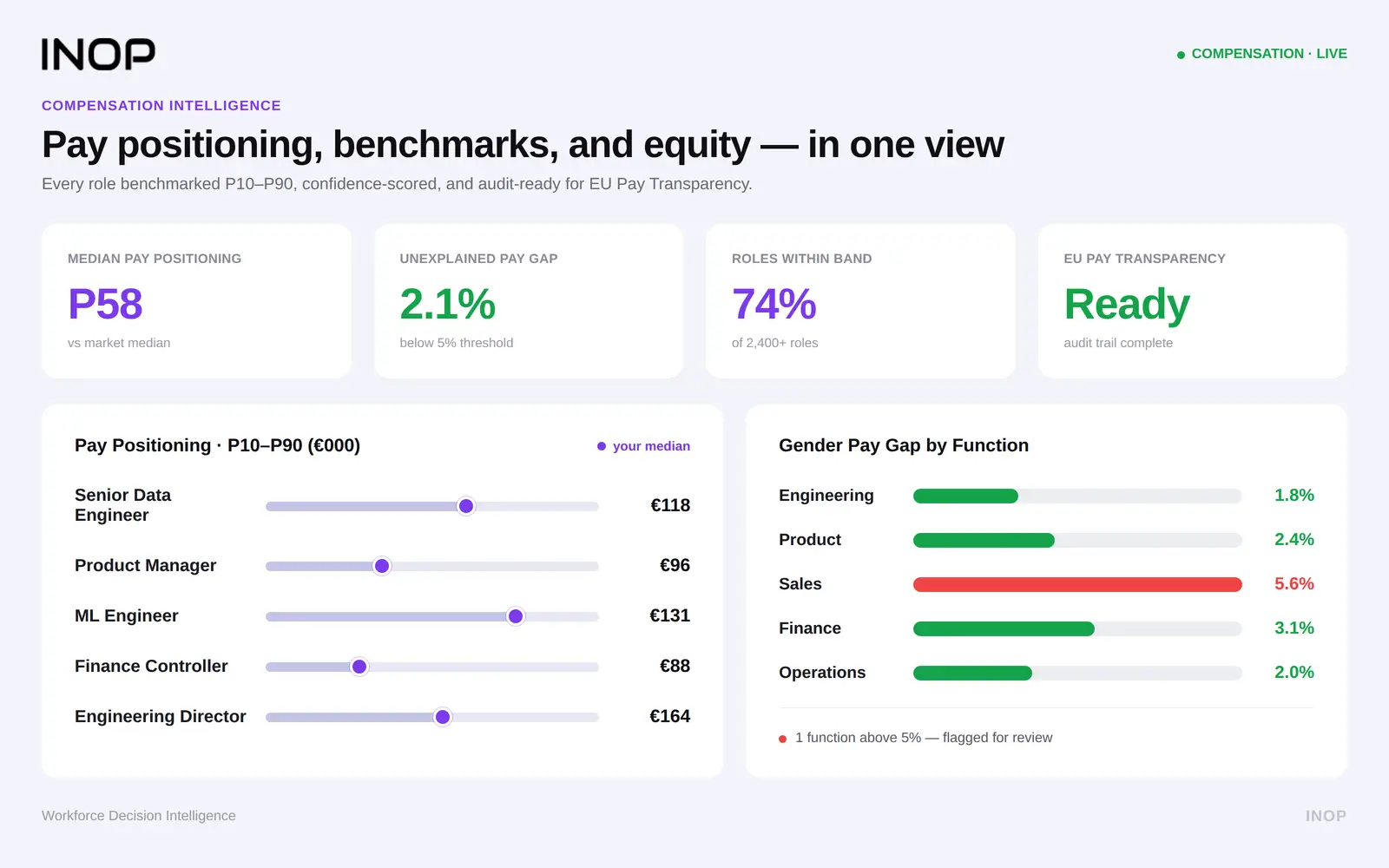
Scenario planning loses credibility when it’s based entirely on hypothetical numbers. Ground your models in real internal data, actual turnover costs, current salary ratios, benefits spend per employee, and complement them with external market data from compensation surveys and labor market reports. The more your scenarios reflect reality, the more useful they become as decision-making tools.
What Stress-Testing Reveals That Normal Planning Misses
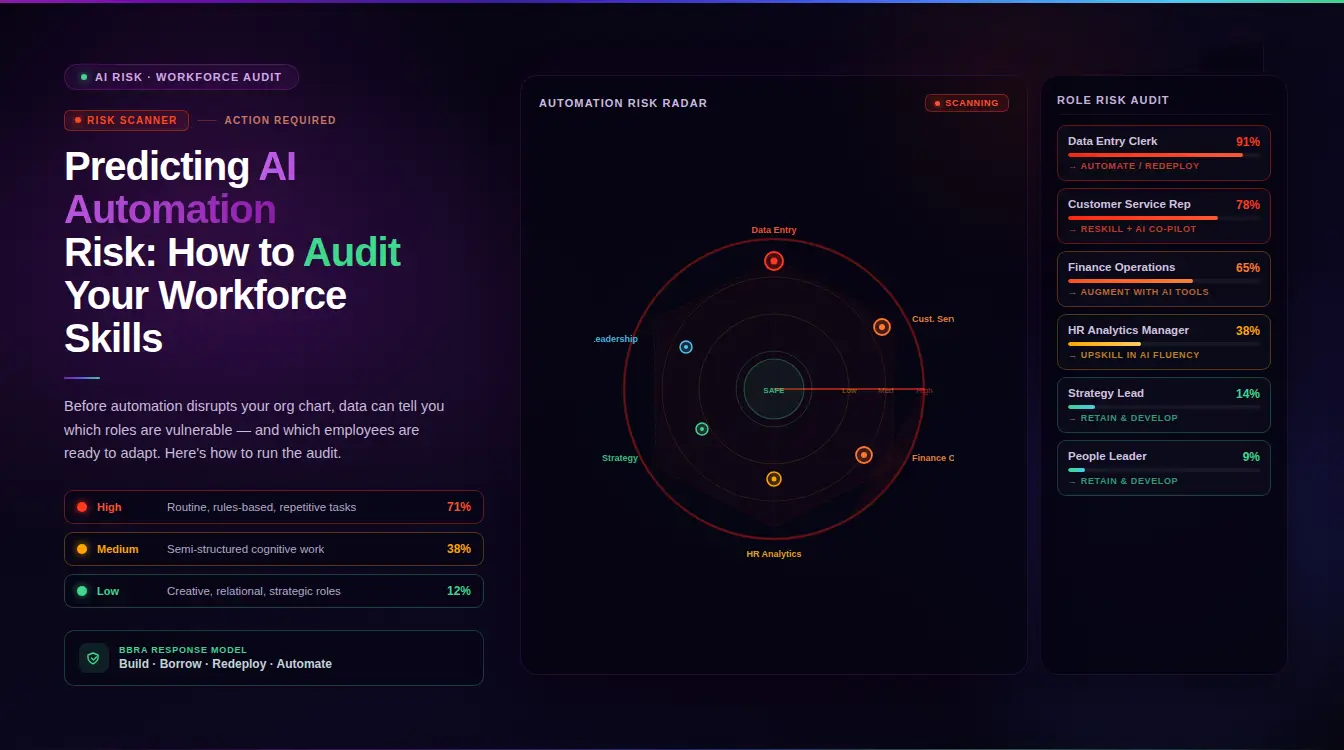
There are certain vulnerabilities in a compensation strategy that only become visible under stress conditions. Financial scenario planning has a way of surfacing these hidden risks, and giving you time to address them before they become crises. This is precisely where a broader understanding of workforce risk management becomes essential, as compensation exposure is only one dimension of the people-related risks organizations face.
It is also where a workforce transformation consulting engagement most often becomes necessary. Roles redesigned during a transformation frequently carry different responsibilities than the job descriptions they replaced, and the salary bands built for the pre-transformation structure fall out of date at exactly the moment the organization is least equipped to address them. Running compensation scenario planning alongside the new role architecture, rather than after it, is one of the clearest ways a well-structured transformation engagement prevents a compensation equity problem from forming in the first place.
Compression risk is one example. In a competitive labor market, organizations often raise starting salaries for new hires faster than they increase pay for existing employees. Under normal conditions, this imbalance might not be visible. But stress-test your model under a scenario where you need to retain 95% of your workforce, and suddenly the compression between a five-year employee and a new hire at the same level becomes a glaring problem.
Dependency on variable pay is another. If a significant portion of your workforce’s total compensation comes from bonuses that depend on company performance, a revenue shock doesn’t just hurt the company, it reduces employee take-home pay at exactly the moment when morale is most fragile. Scenario planning lets you model this dynamic honestly and decide in advance how much variability is acceptable.
Financial Scenario Planning for Small and Mid-Sized Organizations
Large enterprises often have dedicated FP&A teams and compensation analysts to run this kind of analysis. But smaller organizations, those with 50 to 500 employees, can still build meaningful scenario plans with the right framework and tools.
Start simple. A well-constructed spreadsheet model with three scenarios, six to eight key variables, and quarterly review checkpoints is far more valuable than no model at all. Many organizations use compensation management platforms that include scenario modeling features, making the process more accessible than ever.
The key is to start somewhere. Even a rough, first-generation scenario plan will reveal insights that you wouldn’t have found through traditional annual planning alone.
Conclusion: Build Resilience Before You Need It
Financial scenario planning isn’t about predicting the future. It’s about ensuring that when the future arrives, in whatever form it takes, your compensation strategy is ready to respond with clarity, speed, and fairness. The organizations that do this well don’t just survive disruptions; they use them as moments to differentiate themselves as employers of choice.
To recap the core principles: model at least three distinct scenarios (baseline, downside, upside), stress-test the variables that carry the most financial and human risk, align your HR and Finance functions in a shared planning process, and build regular review checkpoints into your cadence. Pay particular attention to what scenario planning reveals that standard planning misses, compression risks, variable pay dependencies, and benefits exposure are often the most significant blind spots.
The best time to stress-test your compensation strategy is when you don’t need to. Start that process now, and you’ll be in a far stronger position when conditions eventually change, because they always do.
If this article helped you think differently about your compensation planning approach, share it with a colleague in HR or Finance who could benefit from the framework. And if you have questions about how to apply scenario planning to your specific organization, drop them in the comments below, we’d love to help you work through it.
Frequently Asked Questions
What is financial scenario planning in simple terms? Financial scenario planning is the process of building multiple financial models, each representing a different possible future, so that decision-makers can understand the potential impact of different conditions and prepare appropriate responses in advance. In compensation, this means modeling how your payroll, benefits, and total rewards strategy would hold up under different revenue, growth, or labor market conditions.
How is scenario planning different from budgeting? Budgeting typically produces a single forecast that reflects your best estimate of what will happen. Scenario planning intentionally creates multiple forecasts that reflect what could happen, including outcomes that are better or worse than expected. Budgeting tells you where you plan to go; scenario planning tells you what you’ll do if the path changes.
How many scenarios should we model for compensation planning? Three is the standard starting point: a baseline (most likely), a downside (adverse conditions), and an upside (accelerated growth). More complex organizations may add additional scenarios for specific risk factors, like a regulatory change or a major acquisition, but three well-constructed scenarios are enough to generate meaningful strategic insight for most organizations.
How often should financial scenario plans be updated? At minimum, scenario plans should be reviewed and updated quarterly. In periods of rapid change, an economic downturn, significant market disruption, or major organizational transformation, monthly reviews may be warranted. The key is to ensure that your scenarios remain grounded in current data, not assumptions that were made six or twelve months ago.
What tools can help with compensation scenario planning? Organizations range from using dedicated compensation management platforms (such as Workday, Beqom, or CompXL) to purpose-built FP&A tools (like Anaplan or Adaptive Insights) to well-structured Excel models. The right tool depends on your organization’s size and complexity. For most mid-sized organizations, a well-designed spreadsheet model is a perfectly viable starting point.
What’s the biggest mistake companies make in compensation scenario planning? The most common mistake is treating it as a one-time exercise rather than an ongoing process. Scenario planning only delivers value when it’s revisited regularly and when the insights are actually connected to real decision-making authority. A scenario plan that sits in a folder and never informs a compensation decision provides no protection at all.