Categories
AI and HR, Labour Market, Pay Transparency

In today’s competitive market, attracting and retaining top talent requires more than just competitive salaries. Enter pay transparency, a game-changer that benefits both your organisation and your candidates.

What Is Pay Transparency and Why It Matters in 2025

Pay transparency refers to the practice of openly sharing information about salaries, pay ranges, and compensation structures with employees and job candidates. Instead of keeping pay data behind closed doors, organizations adopting this approach provide clarity on how compensation is determined, what factors influence pay progression, and where each role fits within the overall pay framework.

In 2025, pay transparency has moved from being a progressive workplace trend to a core component of competitive hiring strategies. Candidates today—especially Gen Z and millennials—expect openness about salary early in the recruitment process. This expectation is fueled by a combination of rising living costs, growing awareness of pay inequality, and stronger workplace legislation in many regions mandating salary disclosure.

For hiring managers, the benefits go beyond compliance. Clear pay communication builds trust, reduces the risk of pay discrimination, and attracts higher-quality candidates who align with your company’s values. It also helps streamline the recruitment process by discouraging applications from candidates whose salary expectations are far outside the offered range, saving both time and resources.

In short, pay transparency in 2025 is not just about fairness—it’s about strategic advantage. Companies that embrace it signal confidence in their compensation practices, foster stronger relationships with talent, and position themselves as modern, trustworthy employers in a competitive market.

Pay Transparency: The New Competitive Advantage

The tides are turning. The EU’s Pay Transparency Directive, implemented in June 2023, mandates employers to disclose salary ranges in job postings. This trend reflects a growing global shift towards pay transparency, with similar regulations being considered in various regions, including the United States. Recently, states like California and New York have enacted laws requiring employers to provide pay ranges in job advertisements and during the hiring process, emphasizing a nationwide movement towards transparency.

Why Pay Transparency Matters

  1. Empowered Candidates, Better Hires: Attracting candidates who are confident they’re applying for a position within their desired salary range leads to more efficient hiring processes. Pay transparency reduces wasted time for both parties, allowing you to focus on truly qualified applicants who align with your compensation structure.
    A recent article in The Wall Street Journal highlighted how tech company Adobe saw a significant increase in qualified applications after implementing salary transparency in their job postings.
  2. Boosted Employer Branding: Transparency fosters trust and builds a positive employer brand. Job seekers value honesty, and clear communication about pay demonstrates your commitment to fairness and respect. This can be a major differentiator in a crowded talent pool. A CNBC report detailed how multinational corporation Google improved its Glassdoor ratings by openly sharing salary ranges, resulting in higher applicant satisfaction and a stronger employer brand.
  3. Diversity and Inclusion Champion: Bloomberg recently highlighted how transparent pay practices can significantly close the gender pay gap and enhance diversity metrics. Research by pay consultancy Syndio, discussed by Jeff Green, shows companies can reduce the median pay gap by addressing “opportunity inequity,” such as promoting women fairly and preventing under-leveling. Transparent pay practices are a key step companies can take to achieve these improvements.

Leverage Compensation Intelligence for Smarter Hiring

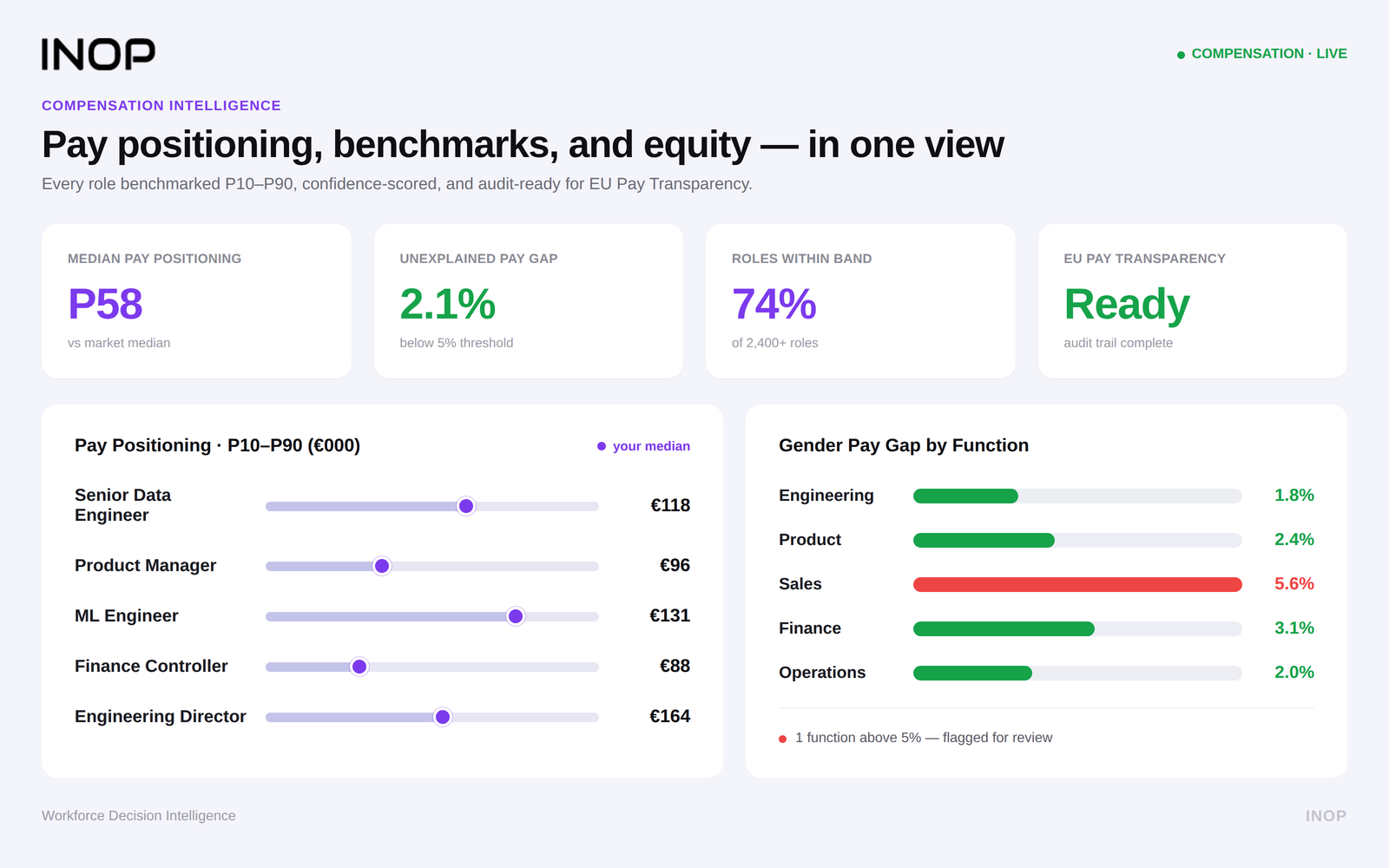
To fully embrace pay transparency, leveraging compensation Analytics is essential. By analyzing real-time salary data and industry benchmarks, you can ensure your offers are both competitive and equitable. This data-driven approach not only supports transparent pay practices but also empowers your hiring managers to make informed decisions that align with your organization’s compensation strategy.

How Pay Transparency Impacts Talent Attraction and Retention

Pay transparency plays a pivotal role in both attracting top talent and retaining high-performing employees. In a competitive job market, salary clarity is often one of the first factors candidates consider when deciding whether to apply for a role. When organizations are upfront about compensation, they send a clear message: we value fairness, honesty, and efficiency. This reduces guesswork for candidates, eliminates awkward salary negotiations late in the hiring process, and attracts applicants whose expectations align with what the company can offer.

From a retention perspective, transparent pay structures help build long-term trust between employees and leadership. When team members understand how their salaries are determined and see clear pathways for progression, they are less likely to feel undervalued or suspect bias. This clarity can also motivate performance—employees know exactly what skills, contributions, or milestones are required to achieve higher compensation.

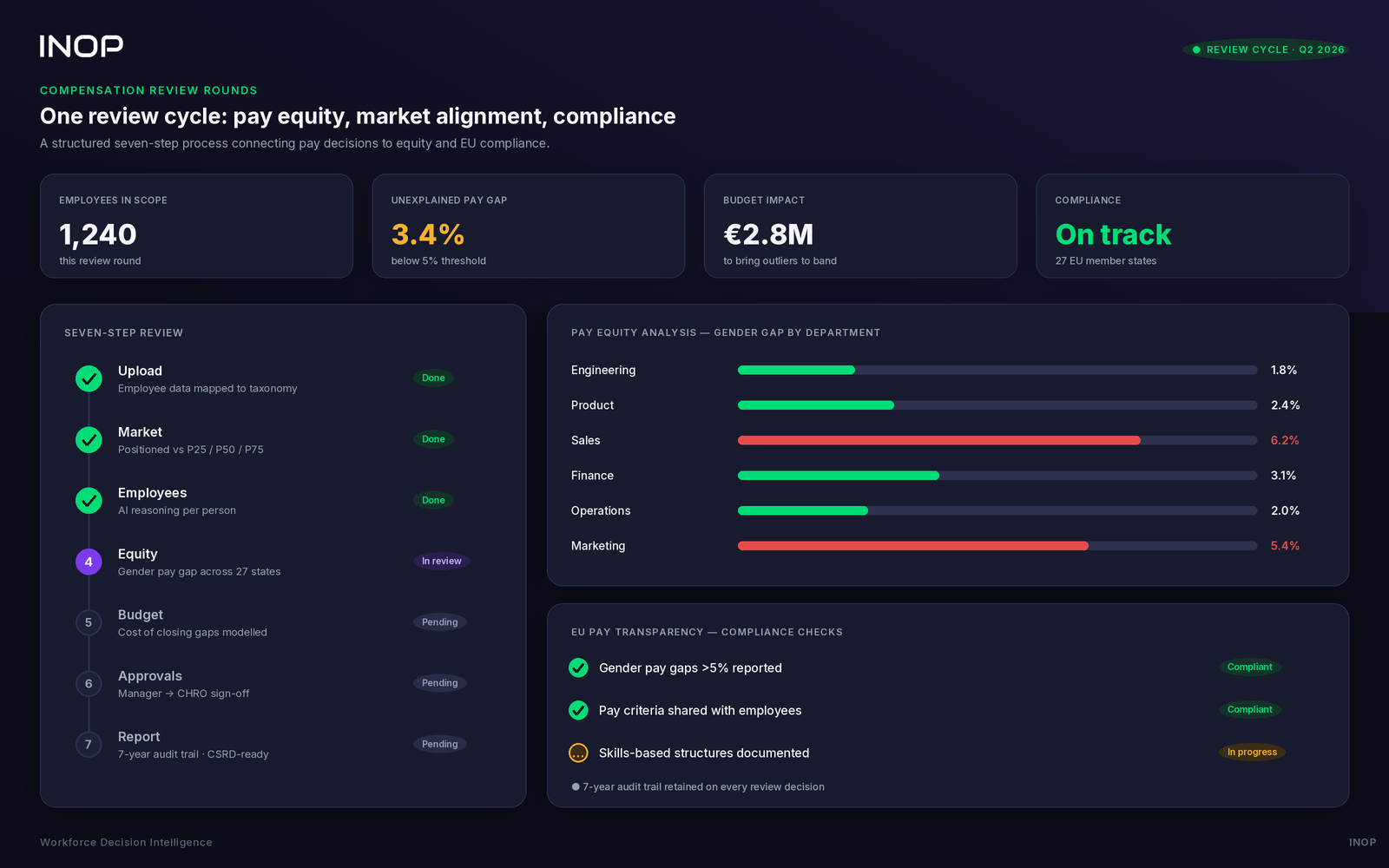
Moreover, pay transparency can strengthen company culture by closing wage gaps and fostering an environment of equality. When compensation data is openly discussed, disparities based on gender, race, or other non-performance factors are easier to identify and address. This, in turn, boosts employee morale, engagement, and loyalty.

In essence, pay transparency is more than a compliance checkbox—it’s a strategic tool for building a workforce that not only joins your organization but chooses to stay and grow within it.

Beyond Compliance: A Holistic Approach

Implementing pay transparency goes beyond simply listing a salary range. Here’s a roadmap to success:

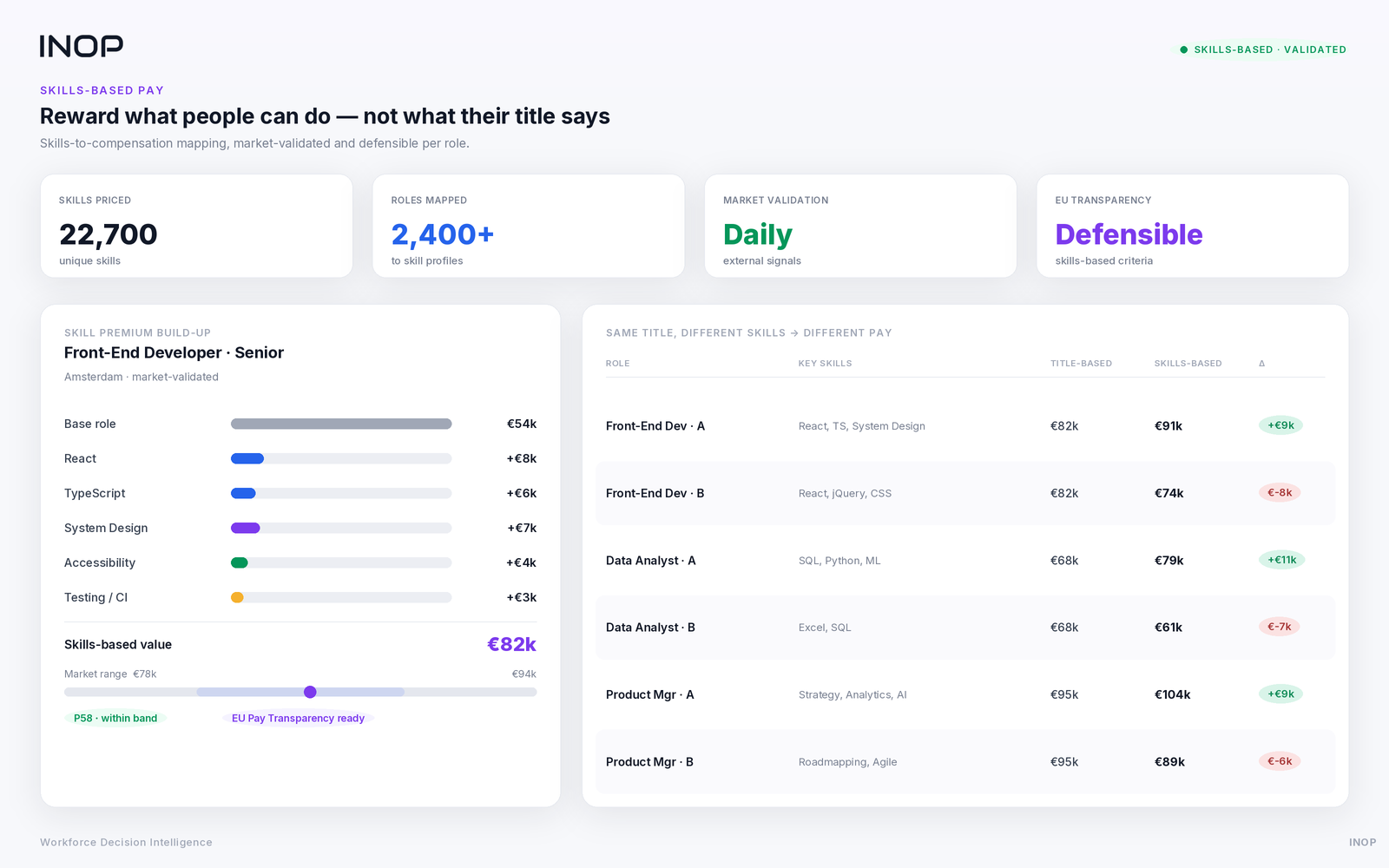
  1. Standardize Compensation Structures: Ensure internal pay equity by establishing clear and objective criteria for salary ranges based on experience, skills, and performance.
  2. Empower Hiring Managers: Train your hiring teams to confidently discuss salary expectations with candidates throughout the interview process. Transparency fosters a more open and honest dialogue.
  3. Embrace Open Communication: Clearly communicate your commitment to pay transparency to both internal and external audiences. This reinforces your brand’s values and builds trust with employees and potential hires.

Related Article: Is Your Compensation Strategy Ready for EU Pay Transparency?

The Link Between Pay Transparency and Workplace Diversity

Pay transparency doesn’t just impact salaries—it also plays a crucial role in fostering workplace diversity and equity. When organizations openly share compensation structures and criteria, they create a system that discourages biases and promotes fairness for all employees, regardless of gender, race, or background.

Historically, opaque pay practices have contributed to wage gaps, especially affecting women and underrepresented groups. By clearly defining pay scales, bonus structures, and promotion criteria, companies make it easier to identify and address inequities. Employees are more likely to trust an organization that demonstrates accountability in compensation, which in turn encourages a diverse talent pool to apply and stay.

Moreover, pay transparency signals a commitment to inclusivity. When candidates see that a company values fairness, they perceive it as a supportive and equitable workplace—this not only attracts diverse talent but also helps retain employees who might otherwise feel marginalized.

Studies show that organizations with transparent pay practices often experience a stronger sense of belonging among employees, higher engagement, and improved retention rates. In short, pay transparency is more than a compensation strategy—it’s a catalyst for building diverse, equitable, and thriving workplaces.

Ready to Champion Transparency? Let INOP Help!

At INOP, we understand the power of pay transparency to attract top talent. We offer a suite of services to help you implement a transparent and effective recruitment process, including:

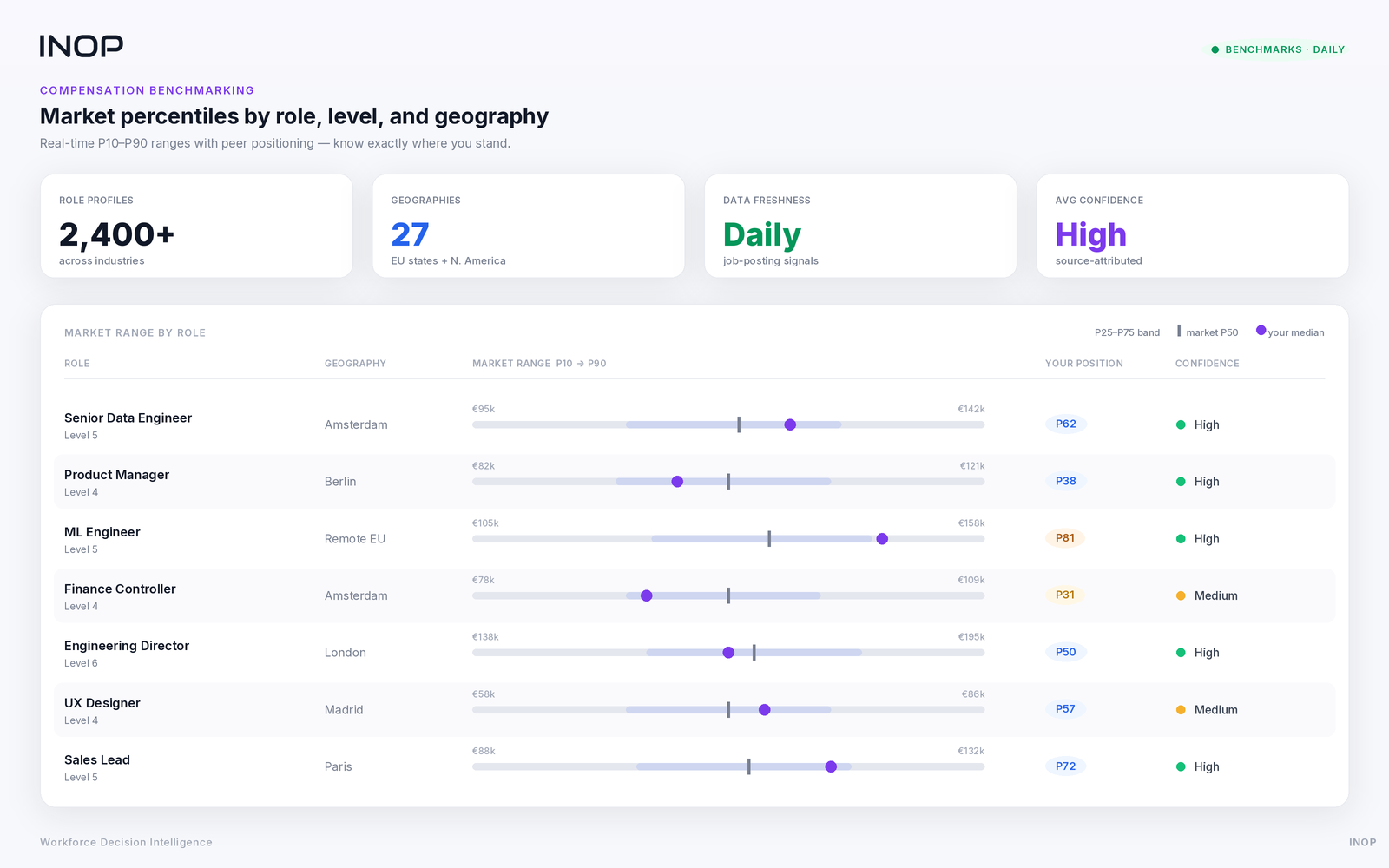
  • Compensation Benchmarking: Gain insights into competitive salary ranges for various positions in your industry and location.
  • Job Posting Optimization: Tailor your job postings to include clear salary ranges and ensure they reach the most relevant candidates.
  • Employer Branding Strategies: Develop a strong employer brand that emphasizes fairness and transparency in your recruitment practices.

Don’t just attract candidates; attract the right ones. Partner with INOP today to implement pay transparency and take your recruitment strategy to the next level.

Follow INOP
Research Report

Workforce Disclosure Gap Report

Why investors can't price human capital risk and what boards must do to regain workforce visibility in the AI era.

Download Report →
Most Visited Posts
Moving from "System of Record" to "System of Intelligence"
Payroll and records are solved. What's missing is intelligence. Here's why HR transformation in 2026 requires shifting from a system of record to a system of intelligence.
Predicting AI Automation Risk: How to Audit Your Workforce Skills
Which roles in your organization are already facing automation pressure, and what should your workforce look like on the other side?
Skills Mapping: Benchmarking Your Internal Talent Against External Competitors
You know your org has skill gaps. Skills mapping tells you exactly where, how they compare to competitors, and which ones are costing you ground.
What is Pay Parity Meaning? A Complete Guide to Internal & External Salary Parity
Ensuring equal pay for equal work goes beyond basic compliance; it is a foundational requirement for building a fair, transparent, and highly competitive organization.
Workforce Management Forecasting: The Modern Guide to Workforce Forecasting
The future of workforce planning relies not on looking backward at historical data, but on harnessing predictive analytics to anticipate tomorrow's talent needs.
Human Capital Risk: Definition, Management, Compliance and How to Mitigate Workforce Threats
Proactively identifying and mitigating human capital risks is now a mandatory strategy for modern enterprise survival.
Business Case Studies For AI Skills Engine: Companies Leveraging Skills Intelligence for Growth
Explore how leading organizations are leveraging data-driven skills intelligence to close talent gaps and drive strategic business growth.
Skills-Based Pay vs. Job-Based Pay: The Definitive 2026 Guide
Moving beyond rigid job titles to compensate employees for their verified capabilities is rapidly becoming the most effective strategy for boosting retention.
Skill Based Pay Advantages and Disadvantages And Examples
Rewarding employees for their acquired competencies rather than static job titles offers a compelling new compensation model with its own strategic advantages and challenges.
Predictive Compensation Analytics: A Complete Guide to Forecasting Pay in 2026
Reacting to outdated salary surveys is no longer enough — today's companies are leveraging real-time market data to proactively forecast compensation trends.