







Categories
Productivity, Sustainable Workforce

Picture this: A rapidly growing tech company doubles its revenue in 18 months, but struggles to find qualified engineers to support expansion. Meanwhile, a retail chain downsizes unexpectedly, leaving talented employees without roles despite upcoming seasonal demands. Both scenarios share a common thread—the absence of strategic workforce planning. Understanding what is strategic workforce planning can mean the difference between thriving through change and scrambling to keep up with it.

Strategic workforce planning is the systematic process of aligning your organization’s human capital with its business objectives, both now and in the future. It’s about ensuring you have the right people, with the right skills, in the right positions, at precisely the right time. In today’s volatile business environment, where technological disruption and demographic shifts reshape industries overnight, this planning approach has evolved from a nice-to-have HR function into a critical business imperative. This article will guide you through the fundamentals of strategic workforce planning, explore why organizations can’t afford to ignore it, and provide actionable insights to help you build a resilient, future-ready workforce.

Understanding Strategic Workforce Planning

At its core, what is strategic workforce planning? It’s a data-driven methodology that helps organizations anticipate and prepare for future talent needs by analyzing current workforce capabilities against projected business requirements. Unlike traditional workforce planning, which often focuses on immediate headcount needs or reactive hiring, strategic workforce planning takes a long-term, holistic view of talent management.

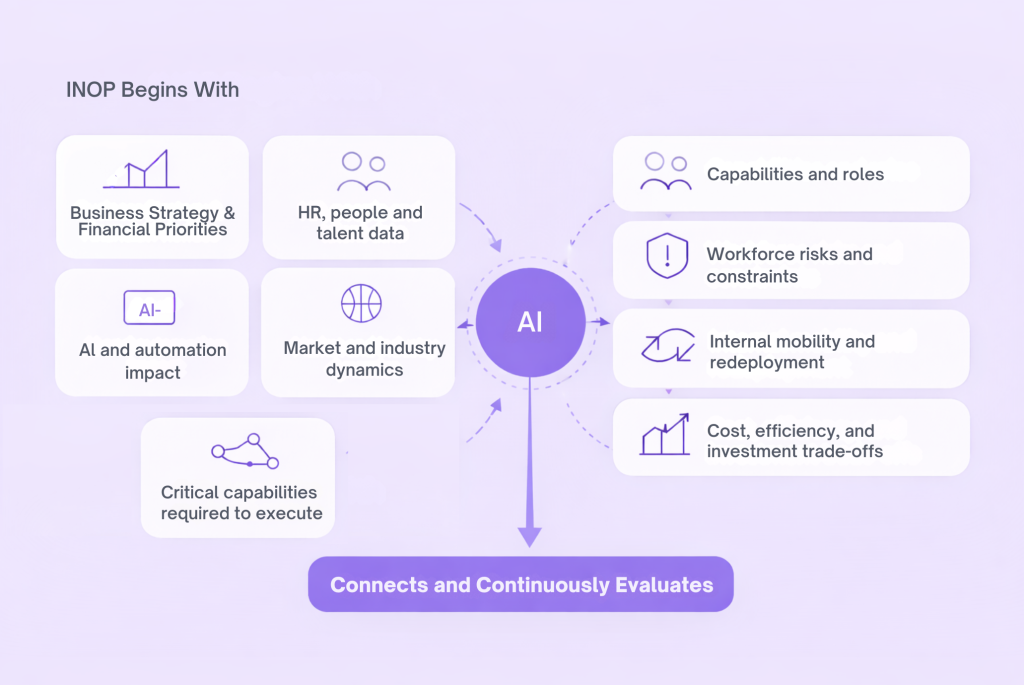
This approach involves several interconnected elements. First, it requires a deep understanding of your organization’s strategic direction—where the business is heading over the next three to five years. Second, it demands a thorough analysis of your current workforce: their skills, competencies, demographics, and performance levels. Third, it identifies gaps between where you are and where you need to be. Finally, it develops targeted strategies to bridge those gaps through recruitment, development, redeployment, or restructuring.

Strategic workforce planning operates at the intersection of business strategy and human resources. It’s not confined to the HR department but involves collaboration across leadership teams, finance, operations, and department heads. This cross-functional approach ensures that workforce decisions directly support organizational goals rather than existing in isolation.

Consider a healthcare system planning to expand telemedicine services. Strategic workforce planning would help them determine how many digital health specialists they’ll need, what skills current staff must develop, which roles might become obsolete, and when to initiate these changes. This forward-looking perspective prevents last-minute scrambles and ensures smooth transitions.

The Strategic Workforce Planning Process

Implementing strategic workforce planning follows a structured framework that transforms abstract business goals into concrete talent actions. While approaches may vary by organization, the process typically unfolds in five essential phases.

Analyzing Business Strategy and Objectives

Everything begins with clarity about organizational direction. What markets is your company entering? Which products or services will drive growth? Are there plans for mergers, acquisitions, or divestitures? Understanding these strategic priorities establishes the foundation for all subsequent workforce decisions.

During this phase, planning teams examine business plans, financial projections, and market analyses to extract workforce implications. For instance, if a manufacturing company plans to automate 30% of production within three years, this directly impacts required workforce composition, skill sets, and organizational structure.

Conducting Current Workforce Analysis

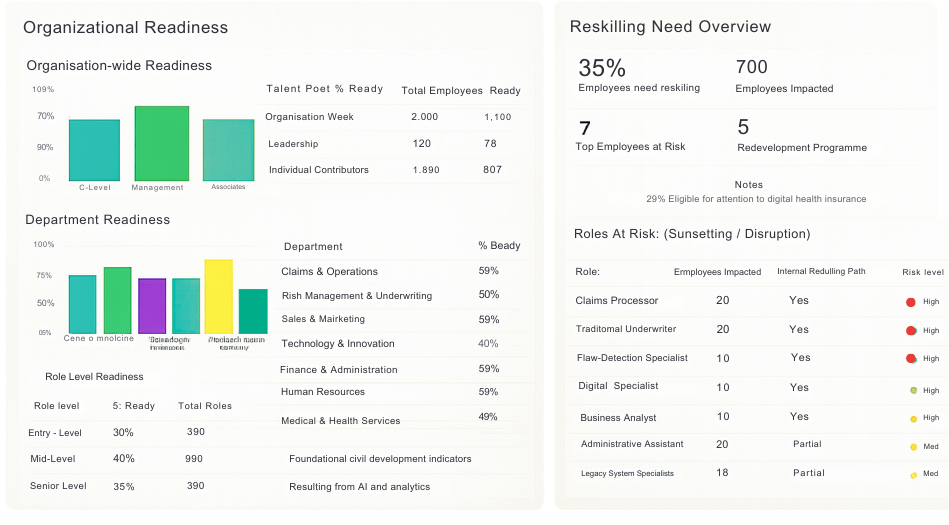
Next comes a comprehensive assessment of your existing talent pool. This involves collecting and analyzing data on workforce demographics, skills inventories, performance metrics, turnover rates, retirement projections, and succession readiness. Advanced organizations use workforce analytics platforms to gain deeper insights into productivity patterns, engagement levels, and flight risk indicators.

This analysis reveals critical information: Which departments have aging workforces facing imminent retirement? Where do skill gaps already exist? Which high-performers are ready for advancement? Are there diversity and inclusion concerns that need addressing? Answering these questions provides an accurate starting point for planning efforts.

Forecasting Future Workforce Needs

With business strategy and current state understood, organizations then project future workforce requirements. This forecasting considers multiple variables: expected growth rates, technological changes, regulatory developments, and market trends. Scenario planning often plays a role here, modeling different potential futures to ensure flexibility.

For example, a financial services firm might forecast needing 40% more cybersecurity professionals, 25% fewer branch tellers due to digital banking adoption, and entirely new roles like blockchain specialists. These projections include not just headcount but also the specific competencies and experience levels required.

Identifying and Analyzing Gaps

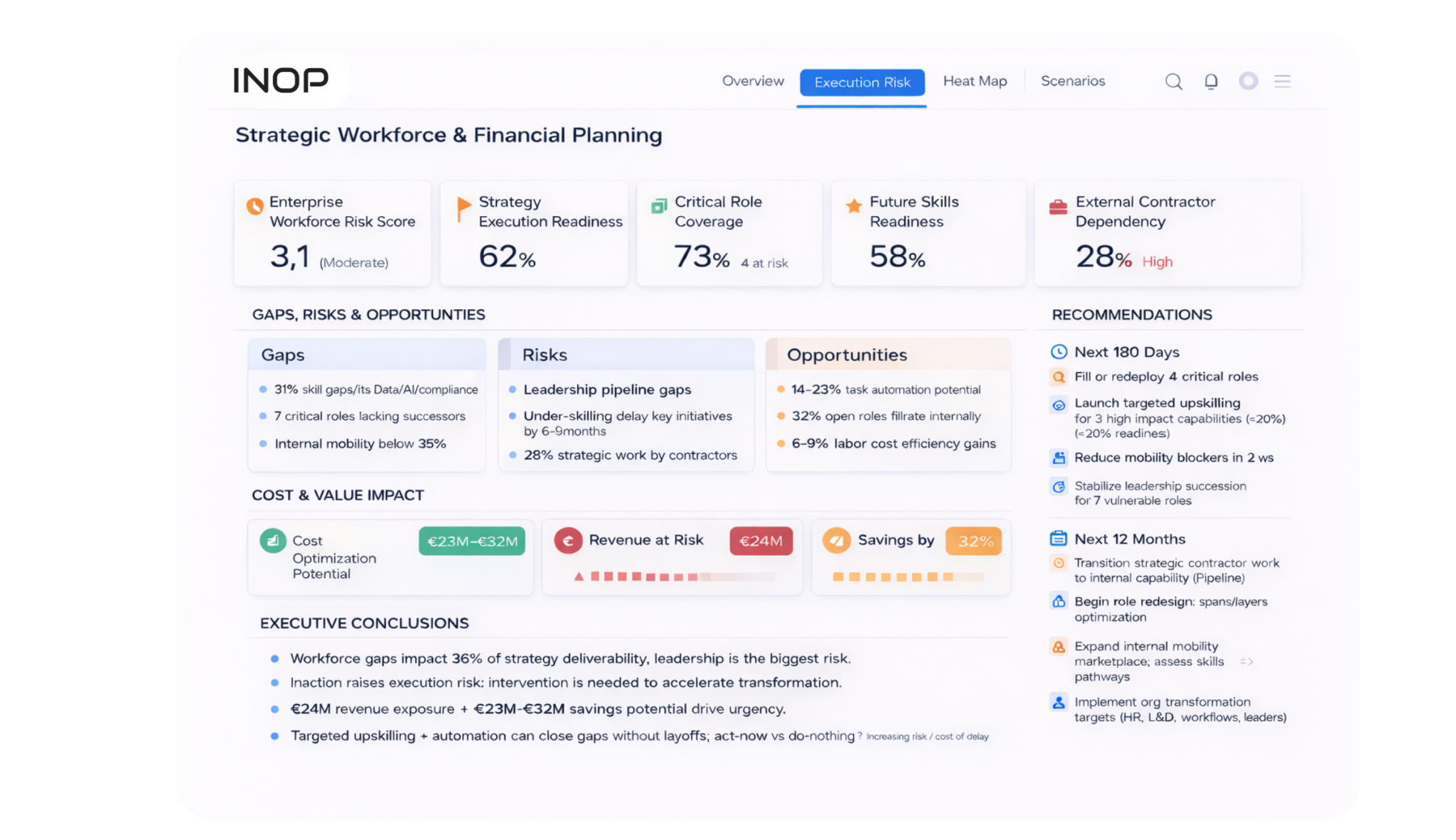
Gap analysis compares current workforce reality against future needs, highlighting discrepancies in quantity, quality, location, or timing. These gaps might manifest as talent shortages in critical areas, skill deficiencies in current staff, diversity imbalances, or succession vulnerabilities in leadership positions.

Effective gap analysis doesn’t just identify problems—it prioritizes them based on business impact and urgency. A shortage of data scientists might pose immediate competitive risks, while gaps in middle management depth might present longer-term succession challenges.

Developing and Implementing Action Plans

The final phase translates insights into action. Organizations create targeted strategies addressing identified gaps through various interventions: strategic recruitment campaigns, learning and development programs, retention initiatives, succession planning efforts, organizational redesign, or workforce redeployment.

Each action plan should include specific objectives, timelines, responsible parties, required resources, and success metrics. Implementation requires careful change management, clear communication, and ongoing monitoring to ensure initiatives deliver intended results. Organizations that excel at strategic workforce planning treat it as a continuous cycle rather than a one-time project, regularly revisiting and adjusting plans as circumstances evolve.

Why is Strategic Workforce Planning Important

The question of why is strategic workforce planning important has never been more pressing. Organizations today face unprecedented workforce challenges that demand proactive, strategic responses rather than reactive firefighting.

Aligning Talent with Business Goals

Strategic workforce planning ensures perfect synchronization between talent strategy and business strategy. When workforce decisions directly support organizational objectives, companies execute more effectively and achieve better outcomes. This alignment prevents situations where promising business initiatives stall because the necessary human capital isn’t available.

Research consistently shows that organizations with mature workforce planning practices outperform competitors. According to various industry studies, companies with advanced workforce planning capabilities report 20-30% higher revenue growth and significantly better operational efficiency compared to those with underdeveloped planning processes.

Anticipating and Managing Change

Business environments change rapidly—new technologies emerge, markets shift, regulations evolve, and customer expectations transform. Strategic workforce planning builds organizational agility by anticipating these changes and preparing workforces accordingly.

Rather than reacting to disruption after it arrives, organizations can proactively reshape their talent pools. When automation threatens certain job categories, planned reskilling programs help employees transition into new roles. When expansion into new markets requires specialized expertise, early recruitment efforts secure talent before competition intensifies.

Optimizing Workforce Costs

While strategic workforce planning requires investment, it ultimately reduces overall talent costs by preventing expensive mistakes. Reactive hiring during talent shortages drives up compensation costs. High turnover from poor succession planning wastes recruitment and training investments. Maintaining unnecessary roles during business downturns drains resources.

Strategic planning optimizes costs by ensuring resources flow toward highest-value activities. Organizations right-size teams based on actual needs, invest development dollars in skills that matter most, and avoid costly emergency hiring when predictable needs arise. The benefits of workforce planning extend to financial performance, with better budget predictability and improved return on human capital investments.

Building Competitive Advantage Through Talent

In knowledge-based economies, talent represents the ultimate competitive differentiator. Strategic workforce planning helps organizations win the war for talent by thinking several moves ahead. While competitors react to immediate market pressures, strategically planned organizations have already developed critical capabilities.

Companies that plan strategically build deeper talent pipelines, cultivate more robust leadership benches, and create cultures that attract and retain high performers. They’re positioned to seize opportunities that require rapid scaling because the necessary talent foundation already exists.

Enhancing Employee Experience and Engagement

Strategic workforce planning benefits employees as much as employers. When organizations plan thoughtfully, employees gain clearer career paths, more development opportunities, and greater job security through skills that remain relevant.

Transparent succession planning shows employees potential advancement routes. Proactive reskilling programs demonstrate investment in their futures. Thoughtful workforce transitions minimize disruptive layoffs. These factors significantly boost engagement, retention, and productivity. Organizations known for excellent workforce planning become employers of choice, attracting top talent even in competitive markets.

Mitigating Risk and Ensuring Continuity

Every organization faces talent-related risks: key person dependencies, succession gaps, skill obsolescence, demographic cliffs, and regulatory compliance challenges. Strategic workforce planning identifies and mitigates these risks before they become crises.

For instance, if analysis reveals that 40% of your engineering leadership will reach retirement eligibility within three years, you can implement succession and knowledge transfer programs now rather than facing a sudden expertise vacuum. Similarly, if regulatory changes will require new compliance certifications, early planning ensures workforce readiness without operational disruption.

Key Components of Effective Strategic Workforce Planning

Successfully implementing strategic workforce planning requires several critical elements working in concert. Organizations that excel at this practice share common characteristics worth emulating.

Data-Driven Decision Making

Effective workforce planning relies on quality data and analytics. Organizations need robust HRIS systems capturing comprehensive workforce information, analytics capabilities that transform raw data into actionable insights, and leaders comfortable making decisions based on quantitative evidence rather than intuition alone.

Modern workforce planning increasingly leverages predictive analytics and artificial intelligence to forecast needs more accurately, identify patterns humans might miss, and scenario-plan with greater sophistication. However, data quality remains paramount—garbage in, garbage out applies fully to workforce planning.

Leadership Commitment and Ownership

Strategic workforce planning succeeds only when senior leadership treats it as a strategic priority rather than an HR administrative task. Executive involvement signals importance, ensures adequate resources, and facilitates the cross-functional collaboration essential for effective planning.

Leading organizations embed workforce planning discussions into regular business planning cycles. The CEO and executive team review workforce strategies alongside financial plans and operational initiatives, reinforcing that talent decisions carry equal weight to other strategic choices.

Scenario Planning and Flexibility

The future never unfolds exactly as predicted. Effective workforce planning embraces uncertainty by developing multiple scenarios—optimistic, pessimistic, and most likely cases—and creating flexible strategies that adapt as circumstances change.

This approach builds resilience. When unexpected disruptions occur—economic downturns, technological breakthroughs, competitive threats, or global pandemics—organizations with scenario-based plans pivot more quickly because they’ve already contemplated various possibilities and developed response frameworks.

Integration with Talent Management Systems

Strategic workforce planning doesn’t exist in isolation but integrates seamlessly with other talent management processes: recruitment strategies, learning and development programs, performance management systems, succession planning efforts, and compensation structures.

When these elements align, organizations create cohesive talent ecosystems where each component reinforces others. Workforce planning identifies skill gaps, learning programs address those gaps, performance management assesses progress, and succession planning ensures continuity—all working toward common strategic objectives.

Common Challenges and How to Overcome Them

Even with best intentions, organizations encounter obstacles when implementing strategic workforce planning. Recognizing these challenges and preparing appropriate responses increases success likelihood.

Lack of Quality Workforce Data

Many organizations struggle with incomplete, inaccurate, or siloed workforce data. Skills inventories are outdated, performance data exists in disconnected systems, and demographic information has gaps. This data deficit undermines planning accuracy.

Overcoming this challenge requires investment in data infrastructure and governance. Organizations need centralized HRIS platforms, standardized data collection processes, regular data quality audits, and analytics capabilities. While building these capabilities takes time, even incremental improvements yield better planning outcomes.

Short-Term Focus and Competing Priorities

Business pressures often drive short-term thinking. Quarterly earnings targets, immediate operational challenges, and urgent customer demands consume leadership attention, pushing long-term workforce planning aside.

Addressing this requires explicit commitment to strategic thinking despite short-term pressures. Organizations can establish dedicated workforce planning roles, create protected time for strategic discussions, and incorporate workforce planning metrics into leadership scorecards. Making workforce planning a non-negotiable business discipline rather than an optional nice-to-have gradually shifts organizational culture.

Resistance to Change

Strategic workforce planning often reveals uncomfortable truths and necessitates difficult changes. Roles become obsolete, skills lose relevance, organizational structures need redesign, and individuals face uncertain futures. This naturally generates resistance from affected parties.

Managing this resistance requires transparent communication, genuine change leadership, and compassion. Leaders should explain why changes are necessary, involve employees in solution development where possible, provide support through transitions, and recognize that some anxiety is normal and deserves acknowledgment rather than dismissal.

Difficulty Predicting the Future

Some leaders question workforce planning’s value given future unpredictability. If we can’t reliably forecast market conditions or technological developments, why invest time planning for uncertain futures?

This objection misunderstands planning’s purpose. Strategic workforce planning isn’t about predicting the future with certainty but about preparing organizations to respond effectively regardless of which future materializes. Through scenario planning and building flexibility, organizations become more resilient and adaptive—better prepared for whatever comes next than those that avoid planning altogether.

Best Practices for Successful Implementation

Organizations implementing strategic workforce planning can improve success rates by following proven practices refined through years of practical application.

Start with business strategy alignment. Ensure workforce planning directly supports strategic business objectives rather than existing as an isolated HR exercise. This connection provides clarity, secures executive support, and ensures resources flow toward highest-impact activities.

Foster cross-functional collaboration. Break down silos between HR, finance, operations, and business units. Effective workforce planning requires diverse perspectives and shared ownership across the organization.

Invest in workforce analytics capabilities. Build or acquire the tools, skills, and processes necessary to collect, analyze, and interpret workforce data effectively. Data-driven planning significantly outperforms intuition-based approaches.

Embrace continuous planning cycles. Treat workforce planning as an ongoing process rather than an annual event. Regular reviews and adjustments keep plans relevant as business conditions evolve.

Communicate transparently with employees. Share appropriate planning information with the workforce, explaining why changes are happening and how they’ll be supported through transitions. Transparency builds trust and reduces anxiety.

Develop internal planning expertise. While external consultants can jumpstart efforts, long-term success requires internal capabilities. Invest in training and developing workforce planning competencies among HR professionals and business leaders.

Measure and demonstrate impact. Track key metrics showing how workforce planning contributes to business outcomes—improved time-to-fill for critical roles, reduced turnover costs, better succession readiness, or enhanced productivity. Demonstrated results sustain leadership support and resources.

Conclusion

Strategic workforce planning has evolved from an HR best practice into an essential business capability that separates thriving organizations from struggling ones. By understanding what is strategic workforce planning—the systematic alignment of human capital with business strategy—and recognizing why is strategic workforce planning important for competitive advantage, risk mitigation, and long-term sustainability, leaders can make more informed decisions about their most valuable asset: their people.

The journey toward mature workforce planning capabilities takes time, requires commitment, and demands ongoing refinement. However, organizations that embrace this discipline position themselves to navigate uncertainty more effectively, seize opportunities more quickly, and build more engaged, capable workforces prepared for whatever the future holds.

Whether you’re just beginning to explore workforce planning or looking to mature existing practices, the time to act is now. Assess your current planning capabilities honestly, identify gaps that need addressing, and take concrete steps toward more strategic, data-driven workforce decisions. Your future organization—and the employees who power it—will be substantially better prepared for the challenges and opportunities ahead.

What workforce challenges is your organization facing that strategic planning could help address? Share your thoughts in the comments below, and explore our other resources on building future-ready workforces.

Frequently Asked Questions

What is the difference between workforce planning and strategic workforce planning?

Traditional workforce planning typically focuses on short-term, reactive staffing needs—filling immediate vacancies or addressing sudden headcount changes. Strategic workforce planning takes a longer-term, proactive approach that aligns talent strategy with business strategy, anticipates future needs, and prepares the organization for multiple possible futures. It’s more comprehensive, data-driven, and integrated with overall business planning than conventional workforce planning.

How far into the future should strategic workforce planning project?

Most organizations plan three to five years ahead, though this varies by industry and business volatility. Fast-changing sectors might focus on shorter horizons with more frequent updates, while stable industries can plan further out. The key is balancing sufficient forward visibility to prepare adequately against the diminishing accuracy of longer-term projections. Many organizations develop detailed plans for one to two years while maintaining broader strategic direction for three to five years.

Can small businesses benefit from strategic workforce planning?

Absolutely. While small businesses may use simpler processes and fewer resources than large corporations, the fundamental principles apply equally. Small businesses often have even less margin for talent mistakes, making planning particularly valuable. The approach might be less formal—perhaps a quarterly leadership discussion rather than sophisticated analytics platforms—but the core benefits of anticipating needs, developing capabilities, and aligning talent with strategy remain equally important regardless of organizational size.

What role does technology play in strategic workforce planning?

Technology enhances strategic workforce planning significantly but isn’t absolutely required for basic planning efforts. HRIS systems centralize workforce data, analytics platforms reveal patterns and insights, and AI-powered tools improve forecasting accuracy. However, even organizations with limited technology can conduct effective planning using spreadsheets, basic data analysis, and structured thinking processes. Technology accelerates and scales workforce planning but doesn’t replace the strategic thinking and leadership commitment that drive success.

How do you measure the success of strategic workforce planning?

Success can be measured through various metrics: improved ability to fill critical roles quickly, reduced time-to-productivity for new hires, lower turnover rates among key talent, stronger succession bench strength, better employee engagement scores, reduced talent costs as percentage of revenue, and ultimately improved business outcomes like revenue growth or operational efficiency. The specific metrics should align with the organization’s strategic priorities and the particular workforce challenges being addressed.

How often should workforce plans be updated?

Leading organizations review workforce plans quarterly and conduct comprehensive updates annually. This cadence balances keeping plans current with avoiding constant disruption from over-frequent changes. However, significant business changes—major strategy shifts, mergers and acquisitions, unexpected market disruptions—should trigger immediate plan reviews regardless of scheduled cycles. The goal is maintaining relevance while providing sufficient stability for implementation.

Who should be involved in strategic workforce planning?

Effective workforce planning requires involvement from multiple stakeholders. The core planning team typically includes HR leaders, finance representatives, and strategic planning professionals. However, business unit leaders must participate actively since they understand operational needs and strategic direction within their areas. Senior executives should oversee the process and make key decisions. In some organizations, high-potential employees or subject matter experts contribute insights as well. The exact composition depends on organizational size and structure, but cross-functional participation is essential.