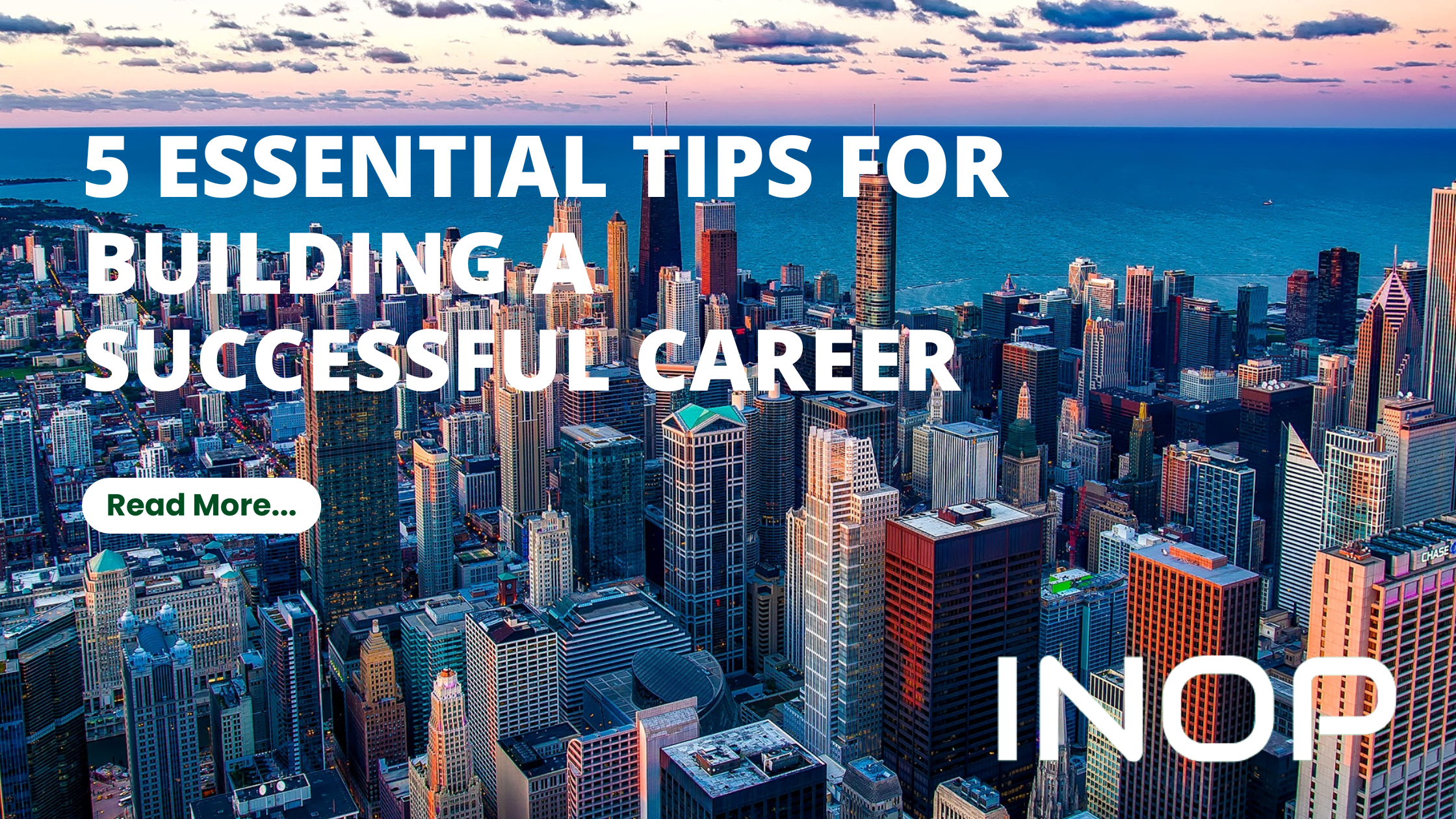
Building a successful career isn’t just about climbing the corporate ladder — it’s about aligning your goals, values, and skills with meaningful opportunities. Today’s professionals, especially Gen Z and millennials, are prioritizing purpose, personal growth, and cultural fit over traditional benefits. Whether you’re just starting or looking to pivot, these 6 essential tips will guide you in building a purpose-driven and be successful in your career.
What is a successful career??
For decades, society defined career success with a highly standardized metric: climbing the corporate ladder, securing a high-status job title, and maximizing your salary. While financial security is undeniably important, this one-size-fits-all blueprint leaves many professionals feeling burned out and unfulfilled.
Today, the definition of a successful career has evolved. It is no longer just about what you achieve on paper, but how your work integrates with your life and your core values. In a purpose-driven context, a successful career generally rests on four distinct pillars:
- Deep Value Alignment: You are doing work that feels authentic to who you are. The mission of your role or your company aligns closely with your personal ethics and long-term goals.
- Sustainable Financial Health: Let’s be realistic—passion alone doesn’t pay the bills. A successful career provides the financial compensation necessary to support your desired lifestyle and future security, without forcing you to sacrifice your well-being to get it.
- Meaningful Impact: You can see the tangible results of your labor. Whether you are helping a single client, innovating a new product, or leading a team, you go home knowing your time spent was actually useful to others.
- Continuous Growth and Autonomy: You are consistently challenged to learn new skills and adapt. Furthermore, you have a degree of agency over how, when, and where you do your best work.
The bottom line: A successful career is a custom metric, not a standardized test. It is the sweet spot where what you are good at, what you care about, and what you can be paid for successfully overlap.
1. Set Clear Goals and Define Your Career Vision
Success starts with self-awareness. Understanding your strengths, values, and interests helps you set meaningful goals and create a focused roadmap. Platforms like CliftonStrengths, 16Personalities, or StrengthsFinder can provide clarity on your natural talents and how they relate to specific careers.
Use tools like Trello or Notion to break down long-term goals into smaller milestones. Setting a vision doesn’t just keep you motivated — it ensures you’re moving in a direction aligned with your identity and lifestyle.
2. Prioritize Purpose and Impact in Your Career Choices
Today’s workforce is increasingly driven by the need to do work that matters. For Gen Z in particular, career success is closely linked with purpose and social impact — not just paychecks or promotions.
A growing number of professionals are turning to employers that reflect their values. According to the Deloitte 2025 Survey, Gen Z and millennials are deeply concerned with climate change, inclusion, and ethical leadership — and they expect employers to take a stand.
If you’re looking for long-term satisfaction, choose organizations that integrate purpose into their mission, and explore career paths that align with your personal sense of impact. Discover more about living and working with purpose in a transforming world.
3. Match Job Opportunities to Your Personal Values
Your values aren’t just personal preferences — they’re essential filters for career decisions. A misalignment between your core beliefs and your employer’s culture can lead to dissatisfaction and burnout.
Use platforms like INOP to match with companies that reflect your values, beliefs, and long-term goals. INOP helps professionals evaluate employers beyond job descriptions by offering insights into company culture, purpose alignment, and ESG performance.
This new wave of impact-driven professionals is reshaping the future of work. Learn how this movement is evolving in The Rise of the Impact-Driven Professional.
4. Continuously Develop Marketable Skills
In today’s fast-paced digital economy, the only constant is change. Staying competitive means regularly updating your skill set. Identify high-demand skills in your field and explore platforms like Coursera, LinkedIn Learning, Udemy, or Kimo.ai to learn flexibly and affordably.
Whether it’s earning certifications or mastering emerging tools like AI, showing adaptability and initiative will position you as a valuable candidate in any field. Bonus tip: Use INOP’s career insights tool to explore career paths based on your skill set, interests, and salary expectations.
5. Build and Leverage a Professional Network
Your network is one of your most powerful career assets. Relationships often open more doors than résumés alone. Attend industry events, participate in online communities, and engage meaningfully on platforms like LinkedIn and X (Twitter).
Join topic-based meetups, contribute to conversations, and offer support to others — networking isn’t just about asking for help; it’s about building mutual value. A strong network provides access to job opportunities, mentorship, and emerging trends that keep you ahead of the curve.
6. Avoiding Common Career Mistakes
Even the most ambitious professionals can stall their careers by falling into avoidable traps. Common mistakes include chasing prestige over purpose, neglecting soft skills, ignoring feedback, and staying too long in roles that no longer serve growth. Recognizing these patterns early can help you pivot with confidence and build momentum.
Final Thoughts
A successful career isn’t just a destination — it’s a purpose-driven journey built around clarity, alignment, continuous growth, and relationships. By defining your vision, aligning with your values, and committing to learning and connection, you’ll be better equipped to create a career that’s not only successful, but also fulfilling.
Ready to find roles aligned with your values and purpose? Download INOP and take control of your career path today.
Frequently Asked Questions
What are the top tips to be successful in your career?
To be successful in your career, focus on five key areas: setting clear goals, aligning your work with purpose and values, continuously developing marketable skills, building a strong professional network, and choosing employers whose culture matches your personal vision. Success isn’t just about promotions—it’s about fulfillment, growth, and alignment.
How do Gen Z and Millennials define career success?
Gen Z and Millennials increasingly define career success through purpose, flexibility, social impact, and personal well-being rather than just salary or titles. According to the Deloitte Gen Z and Millennial Survey 2025, younger professionals prioritize meaningful work, inclusive environments, and organizations that align with their social and environmental values.
What tools help with career planning and growth?
There are several AI-powered and digital tools that support career development, including INOP, LinkedIn Learning, Coursera, and Kimo.ai. These platforms offer features such as personalized career path mapping, skill benchmarking, learning recommendations, and value-aligned job matching—helping users make informed career decisions.
How do I align my job with my personal values?
Start by identifying your core values using tools like 16Personalities or simple reflection exercises. Then, look for organizations that promote transparency, ESG practices, and culture insights. Platforms like INOP help match you with companies that share your beliefs and provide data on company values, diversity efforts, and social impact.
Is purpose more important than salary in career success?
For many professionals—especially Gen Z—purpose is just as important, if not more important, than salary. While financial stability remains a priority, studies show that employees who feel aligned with their company’s mission report higher engagement, lower burnout, and longer tenure. The key is finding a balance that suits your unique career goals.
Written by: Aniel Mahabier