Diversity, equity, and inclusion (DEI) are crucial for creating a thriving business. DEI initiatives address historical inequities, boost organizational performance, ensure compliance, foster social cohesion, meet stakeholder expectations, drive economic growth, and uphold moral integrity. Recent articles like Forbes’ “The Backlash Against DEI Programs“ and The New York Times’ “Companies Face Pushback Over Diversity Initiatives“ highlight the challenges in implementing these initiatives.
What is DEI? Understanding DEI
Diversity: The variety of human experiences, backgrounds, and perspectives, including race, ethnicity, gender, sexual orientation, age, and disability.
Equity: Ensuring everyone has a fair and equal chance to succeed, creating a level playing field where opportunities are accessible to all.
Inclusion: Fostering a work environment where everyone feels valued, respected, and supported, ensuring all voices are heard.
Why is DEI Important?
A McKinsey report found that companies in the top quartile for gender diversity on executive teams were 21% more likely to outperform on profitability. Similarly, those in the top quartile for ethnic and cultural diversity were 33% more likely to achieve industry-leading profitability. The benefits of DEI are far-reaching:
Enhanced Creativity and Innovation: Diverse teams bring together a wider range of perspectives, leading to more creative solutions and innovative ideas.
Improved Problem-Solving: Employees from different backgrounds approach problems from multiple angles, leading to more effective solutions.
Stronger Employee Engagement: When employees feel valued and respected, they are more likely to be engaged and productive.
Enhanced Reputation: Companies with a strong DEI commitment attract top talent and build a positive brand image.
Suggested Article: Why Finding the Right Company Culture Matters
Social and Ethical Responsibilities
- Promote Fairness and Equality: DEI initiatives ensure equal access to opportunities, fostering a level playing field.
- Address Historical Inequities: By rectifying long-standing discrimination, DEI creates inclusive environments.
- Improve Social Cohesion: DEI fosters inclusivity, enhances cohesion, and reduces societal tensions.
Corporate Benefits:
- Enhanced Organizational Performance: Diverse and inclusive workplaces are more innovative and effective.
- Meet Stakeholder Expectations: Demonstrating a commitment to DEI enhances reputation and builds stronger relationships with stakeholders.
Legislative and Ethical Considerations
- Legal and Ethical Responsibility: Compliance with non-discrimination laws and regulations is both a legal requirement and an ethical imperative.
- Economic Benefits: Diverse workplaces can better understand and serve diverse customer bases, driving economic growth.
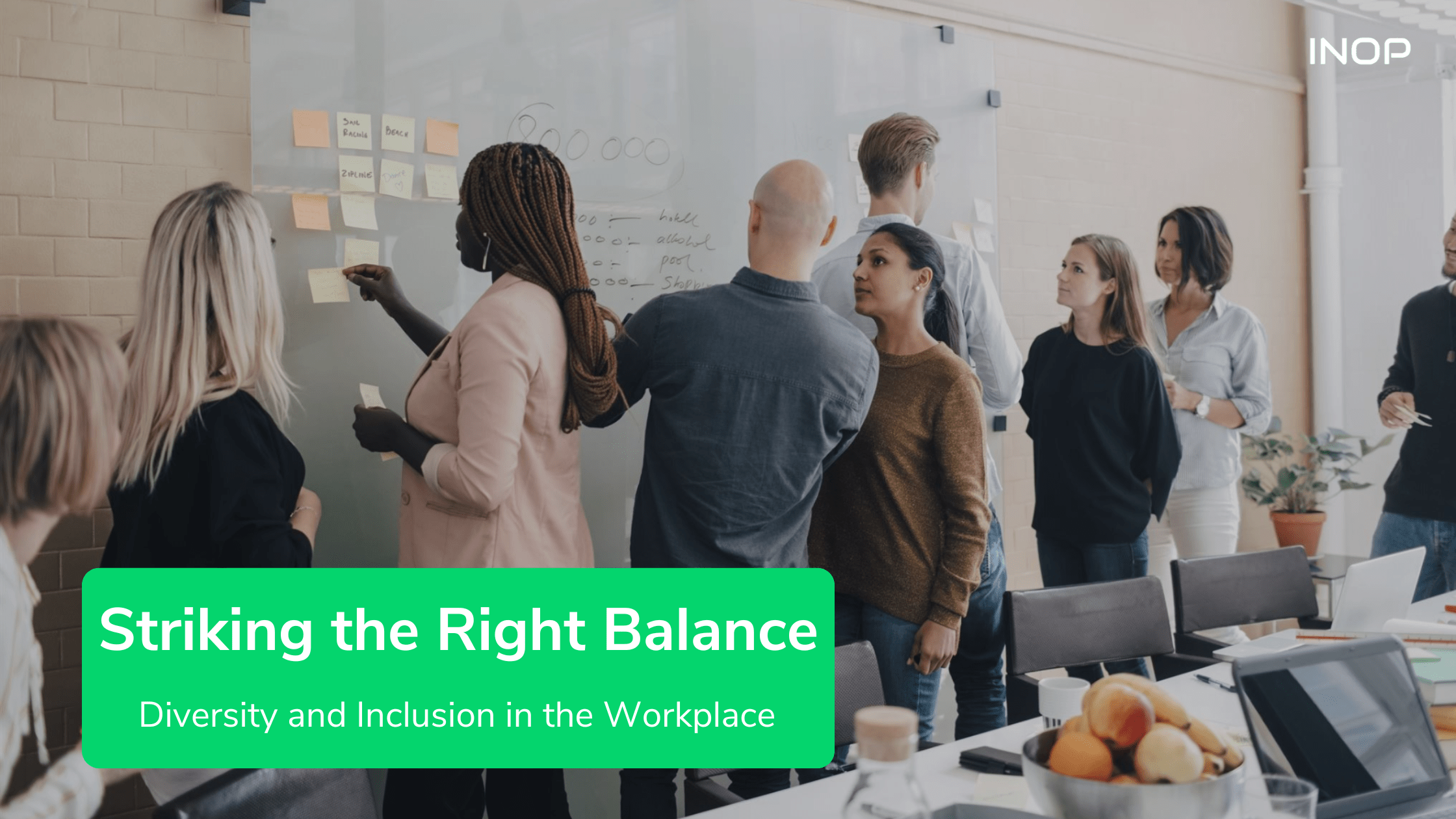
Striking the Right Balance
While DEI is essential, it’s crucial to strike the right balance when implementing these initiatives, especially in light of potential backlashes. Here are key considerations:
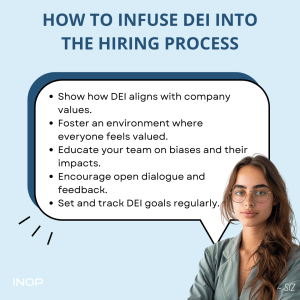
Communicate the why: Clearly articulate why DEI is important for your organization. Emphasize how it aligns with your company’s mission, values, and long-term goals.
Inclusive Culture Beyond Hiring: DEI goes beyond hiring a diverse workforce. Cultivate an inclusive culture where every employee feels valued, respected, and empowered to contribute their best.
Address Unconscious Bias: Educate employees about unconscious bias and its impact on decision-making. Provide training to mitigate bias in recruitment, promotions, and interactions.
Encourage Open Communication: Foster an environment of open communication and feedback. Encourage employees to share their experiences, concerns, and suggestions regarding DEI efforts.
Metrics and Accountability: Establish clear DEI goals and metrics to track progress. Regularly assess and report on these metrics to demonstrate accountability and transparency.
To build a truly inclusive and forward-thinking organization, companies must go beyond surface-level initiatives and align their diversity efforts with long-term business goals. One effective approach is through strategic workforce planning, which helps organizations anticipate future talent needs, close skill gaps, and ensure a diverse talent pipeline that supports sustainable growth.
General Insights on DEI in Corporate Environments
Job Cuts and Budget Reductions: According to Axios, companies may reduce DEI roles and budgets during economic downturns, signaling a deprioritization of these initiatives.
Performance Metrics: There’s often a lack of clear metrics to measure the success of DEI initiatives. Companies struggle to integrate DEI goals with broader business performance indicators.
Superficial Commitment: Some organizations may implement DEI programs to enhance their public image rather than effect meaningful change. This can create a gap between public DEI statements and actual practices.
Resistance and Backlash: DEI initiatives can face resistance if not well-communicated or perceived as unfair, leading to backlash from employees who feel threatened or disadvantaged.
Sustainability and Long-term Planning: DEI efforts often lack long-term planning, resulting in short-lived initiatives. Embedding DEI into the organizational culture is essential for lasting impact.
Inclusive Leadership: Effective DEI requires buy-in and active participation from top leadership. Leaders should be trained and held accountable for fostering an inclusive culture.
Intersectionality and Nuanced Approaches: DEI strategies must consider intersectionality, addressing how various forms of discrimination intersect and impact individuals differently.
As technology and professional values continue to evolve, there’s a growing shift toward purpose-led innovation. This transformation is especially evident in the rise of applications and professionals designed to create measurable social and environmental impact. Embracing an impact-driven business model allows organizations to align their operations with broader societal goals, fostering long-term value, brand trust, and deeper engagement with both customers and employees.
INOP: Your Partner in Building a Diverse and Inclusive Workplace
Creating a diverse and inclusive workplace is an ongoing journey. Partner with INOP to build a workplace where everyone thrives, matching professionals to companies based on culture and values. Let INOP help you unlock the full potential of your workforce. Contact us today to learn more about our DEI services.