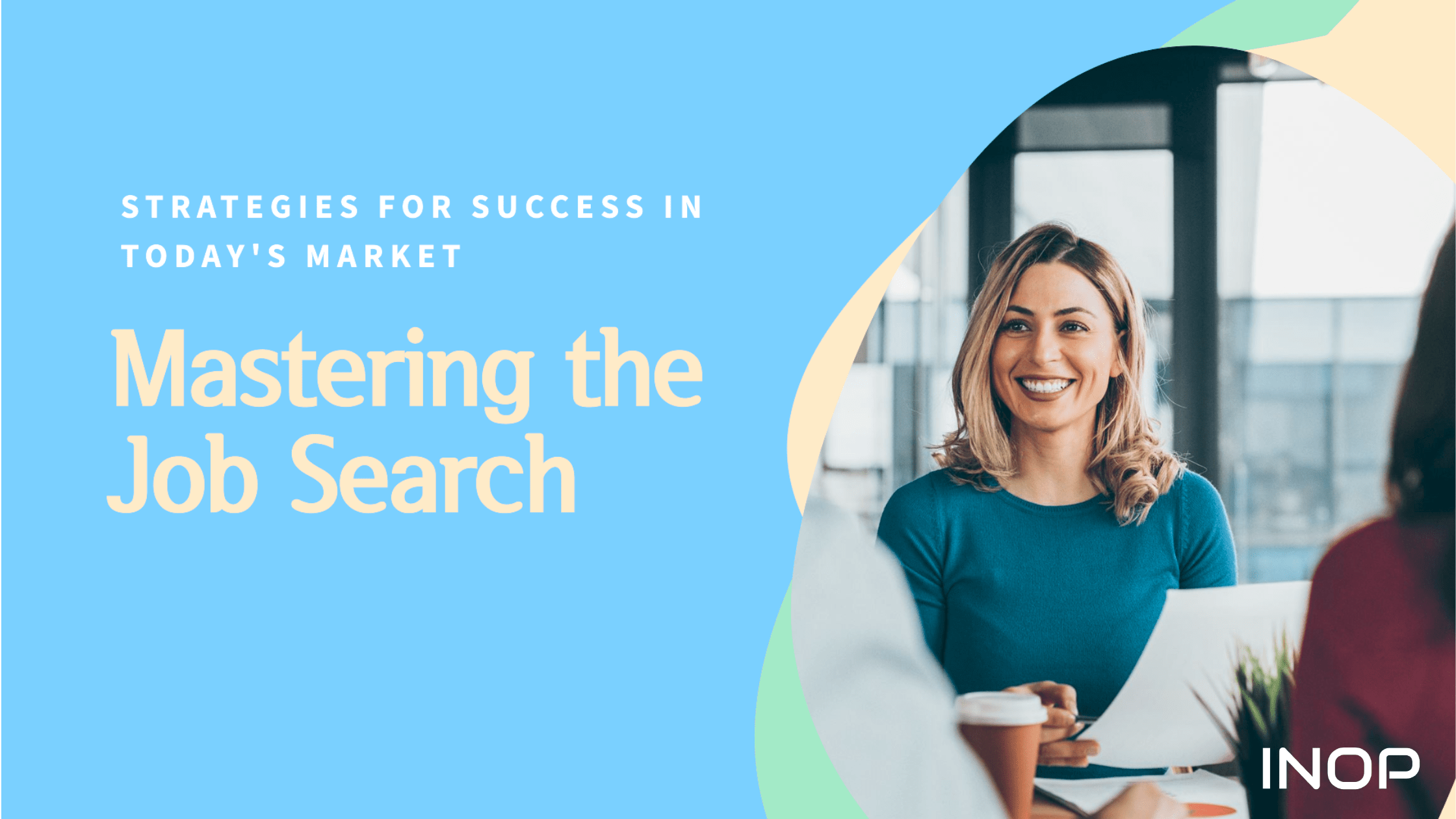
Landing your dream job feels like winning the lottery, doesn’t it? But with a competitive market and ever-changing trends, navigating the job search can feel overwhelming. Fear not, job seekers! Our latest blog is your ultimate guide to landing the perfect position that aligns with your values. Discover winning strategies to make a lasting impact in your professional journey
Master the Art of Modern Application
Gone are the days of generic resumes. Today, Applicant Tracking Systems (ATS) scan applications, prioritizing those with relevant keywords. Craft a resume that speaks the ATS language, highlighting the skills and experiences listed in the job description, according to Career Connectors. But don’t stop there! Tailor your cover letter to showcase a genuine understanding of the company’s values and mission.
Before you apply, it’s essential to understand how employers evaluate candidates. Many companies now use advanced talent screening tool to assess not just skills and experience, but also cultural fit and potential. By tailoring your application to address these criteria, you significantly increase your chances of moving forward in the hiring process. Understanding how talent screening works can give you a competitive edge—and help you present yourself as the ideal candidate from the very start.
Optimize Your Resume and LinkedIn Profile
Your resume and LinkedIn profile are often your first introduction to potential employers—and first impressions matter. In today’s competitive market, it’s not enough to have a generic resume or a half-complete profile. Recruiters are scanning for keywords, measurable results, and evidence that you’re a strong cultural fit.
Tailor Your Resume for Every Role
Instead of sending the same document everywhere, adjust your resume to highlight the skills and achievements that match the specific job description. Many companies use applicant tracking systems (ATS), so including role-specific keywords can help ensure your application makes it past the first filter.
Highlight Achievements, Not Just Responsibilities
Employers want to see results, not just a list of tasks. Use action verbs and quantify your accomplishments whenever possible. For example, instead of writing “responsible for managing social media,” say “increased engagement by 35% through targeted content campaigns.”
Polish Your LinkedIn Presence
LinkedIn is more than an online resume—it’s a personal branding tool. Make sure your headline is compelling and reflects your career goals, not just your current job title. Use the “About” section to tell a concise story about who you are, what you’ve achieved, and where you’re headed. Add endorsements, skills, and recommendations to strengthen your credibility.
Show Up Consistently Online
Recruiters will often cross-check your resume with your LinkedIn profile. Keep your information consistent across platforms, and ensure your professional image—photo, tone, and achievements—align with the story you want to tell.
By optimizing both your resume and LinkedIn profile, you’re not just applying for jobs—you’re marketing yourself as the best solution to an employer’s needs.
Embrace the Power of Networking
Your network is your net worth in today’s job market. It’s not just who you know, but the connections you build. Reconnect with old colleagues, attend industry events (both virtual and in-person!), and join professional associations. Don’t be afraid to reach out to thought leaders in your field; informational interviews can be a great way to learn and build relationships. Remember, networking is a two-way street. Be helpful, offer your expertise, and build genuine connections.
Level Up Your Skillset
The job market is constantly evolving, so staying ahead of the curve is crucial. Invest in continuous learning, and upskilling, and use platforms like Kimo.io and Udemy. Take online courses, attend workshops, or pursue industry certifications. Demonstrate your commitment to education and showcase your adaptability to employers.
Understanding how to be successful in career goes beyond landing a job—it’s about growing, adapting, and consistently adding value. Success often comes from developing long-term habits like setting clear goals, seeking mentorship, and staying open to feedback. Prioritize personal development, maintain a growth mindset, and actively look for opportunities to contribute beyond your role. When you align your values with your work and remain committed to continuous improvement, success becomes a journey—not just a destination.
Embrace the Hustle (With a Smile!)
Job hunting is a marathon, not a sprint. There will be setbacks, but resilience is key. Maintain a positive mindset and stay focused on your goals. Celebrate small wins and use rejection as a learning opportunity.
Understand Employer Branding and Company Culture
When you’re job hunting, it’s tempting to focus only on landing the role—but finding the right fit matters just as much as getting an offer. That’s where employer branding and company culture come in. Understanding what a company stands for can help you decide whether it’s a place where you’ll thrive long-term.
What Is Employer Branding?
Employer branding is how a company presents itself to current and potential employees. It reflects their reputation as a workplace—shaped by employee reviews, social media presence, leadership communication, and even how they treat candidates during the hiring process. A strong employer brand signals stability, growth opportunities, and employee well-being.
Why Company Culture Matters
Company culture defines how people work together day to day. It’s about values, leadership style, communication, and the work environment. A company that values collaboration, for example, might thrive on teamwork and open feedback, while a more hierarchical company may prioritize structure and individual achievement.
How to Research Employer Branding and Culture
- Check the company’s online presence: Review their website, careers page, and LinkedIn updates.
- Look at employee reviews: Platforms like Glassdoor or Indeed can reveal insights into management style, career growth, and work-life balance.
- Pay attention during interviews: Notice how interviewers describe the role, the team, and the workplace environment. Their tone and enthusiasm can be telling.
- Network with insiders: If possible, connect with current or former employees to get authentic perspectives.
Aligning With the Right Workplace
Understanding employer branding and company culture helps you avoid mismatches that lead to burnout or dissatisfaction. Instead, you can target companies that align with your values, career goals, and preferred working style. This alignment not only boosts your chances of success in the hiring process but also increases long-term job satisfaction and retention.
Suggested Article To Read: Why Recruiting for Cultural Fit Drives Retention
Ready to Make Your Impact?
Now that you’ve mastered the essential job search strategies, it’s time to find the perfect position! INOP is your one-stop shop for connecting with top employers whose work culture aligns with your values while showcasing your unique skills and experiences. With a vast database of opportunities and a team dedicated to your success, INOP empowers you to make a lasting impact in your dream job. Download INOP today and take charge of your future!