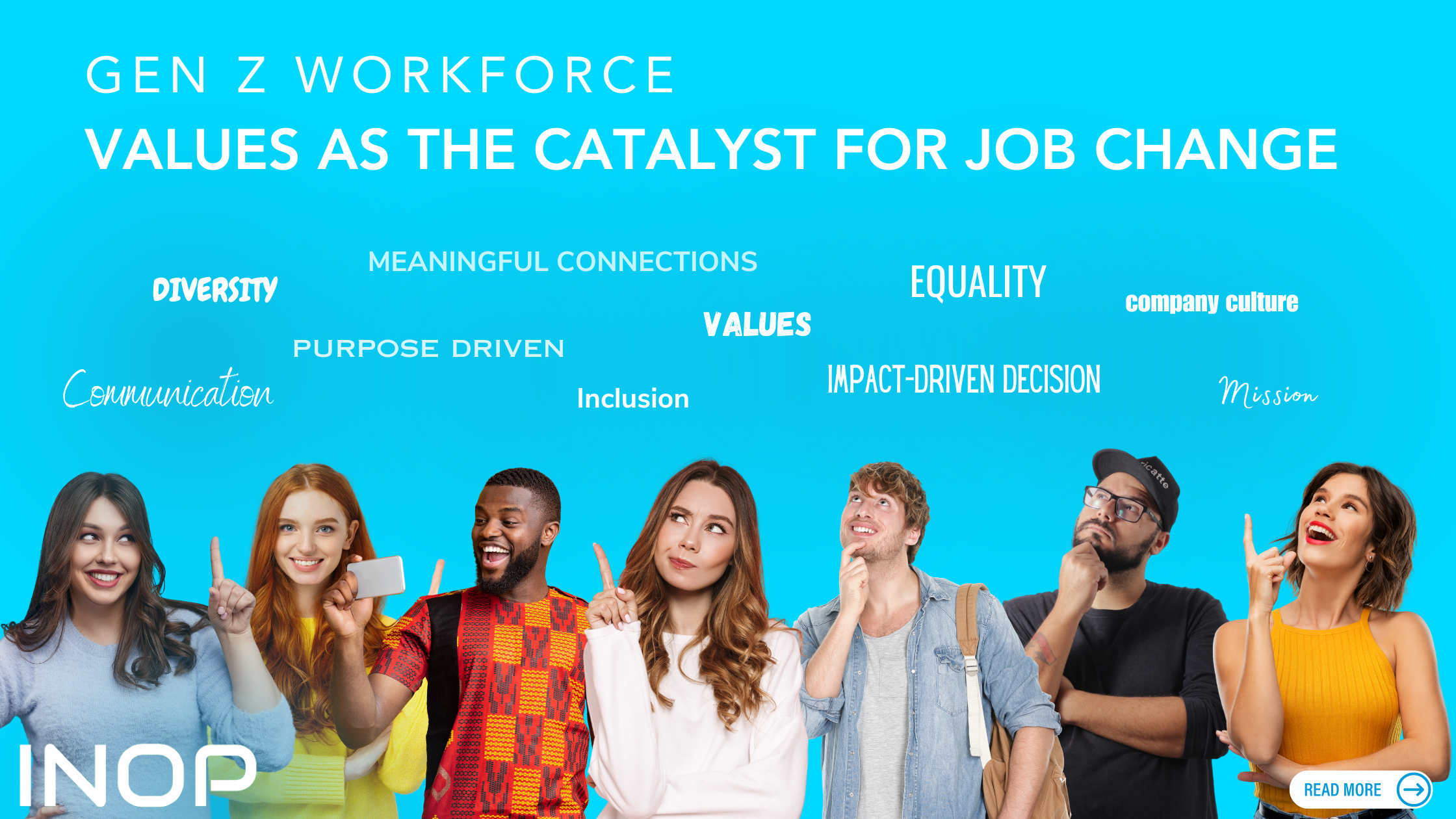
By 2025, Gen Zers will make up more than one‑third of the global workforce. Unlike earlier generations that prized stability and salary above all else, Gen Z places greater emphasis on purpose, personal growth, and social impact when evaluating employers. These evolving priorities can quickly trigger job changes if an organization’s culture falls short.
Why Values Matter More Than Ever
Gen Z professionals seek work that feels meaningful and aligns with their personal beliefs. They also expect employers to act transparently and authentically—especially on social and environmental issues. When those expectations go unmet, they move on.
- Meaningful work: Roles should connect to a larger mission.
- Authenticity & transparency: Corporate values must be lived, not just marketed.
- Continuous growth: Clear pathways for upskilling and advancement.
- Positive impact: Commitment to social responsibility, sustainability, and ethics (witch is available by Strategic Workforce Insight).
Personal Growth as a Non‑Negotiable
This cohort views learning as a lifelong pursuit. They gravitate toward companies offering mentorship, structured training, and visible promotion routes. If opportunities for development are limited, Gen Z employees are quick to explore alternatives that better nurture their growth.
Social Conscience in Action
Raised in the digital era, Gen Zers have real‑time access to global issues—and they want to help solve them. Firms that embed sustainability, DEI, and ethical practices into daily operations—not just marketing copy—stand out as employers of choice.
Data Point: Values Trump Pay Raises
Recent Deloitte 2025 survey across Europe reveal that nearly 87 % of Gen Z professionals would leave their jobs for an employer whose values align more closely with their own—even if compensation remains the same. Over half of respondents say a pay rise alone would not convince them to stay if value alignment is lacking.
Building an Impact‑Driven Workplace
1. Define and Communicate Core Values
Craft clear, authentic values that dovetail with your mission, then showcase them in recruitment, onboarding, and daily decision‑making.
2. Foster a Purpose‑Driven Culture
Link each role to the organization’s wider impact. Demonstrate how individual contributions move the needle on goals that matter.
3. Prioritize Inclusivity and Diversity
Cultivate an environment where diverse perspectives thrive. Back up DEI commitments with measurable actions and transparent reporting.
4. Encourage Employee Engagement
Invite employees to co‑create initiatives that reflect shared values—whether through volunteer programs, cross‑functional projects, or open forums.
5. Assess and Evolve
Routinely gather feedback, track cultural health metrics, and refine programs to keep pace with shifting employee expectations.
The Competitive Edge of a Values‑Aligned Workforce
Organizations that authentically integrate purpose into strategy are better positioned to attract, engage, and retain Gen Z talent. The payoff is lower turnover, higher engagement, and a workforce motivated by more than a paycheck.
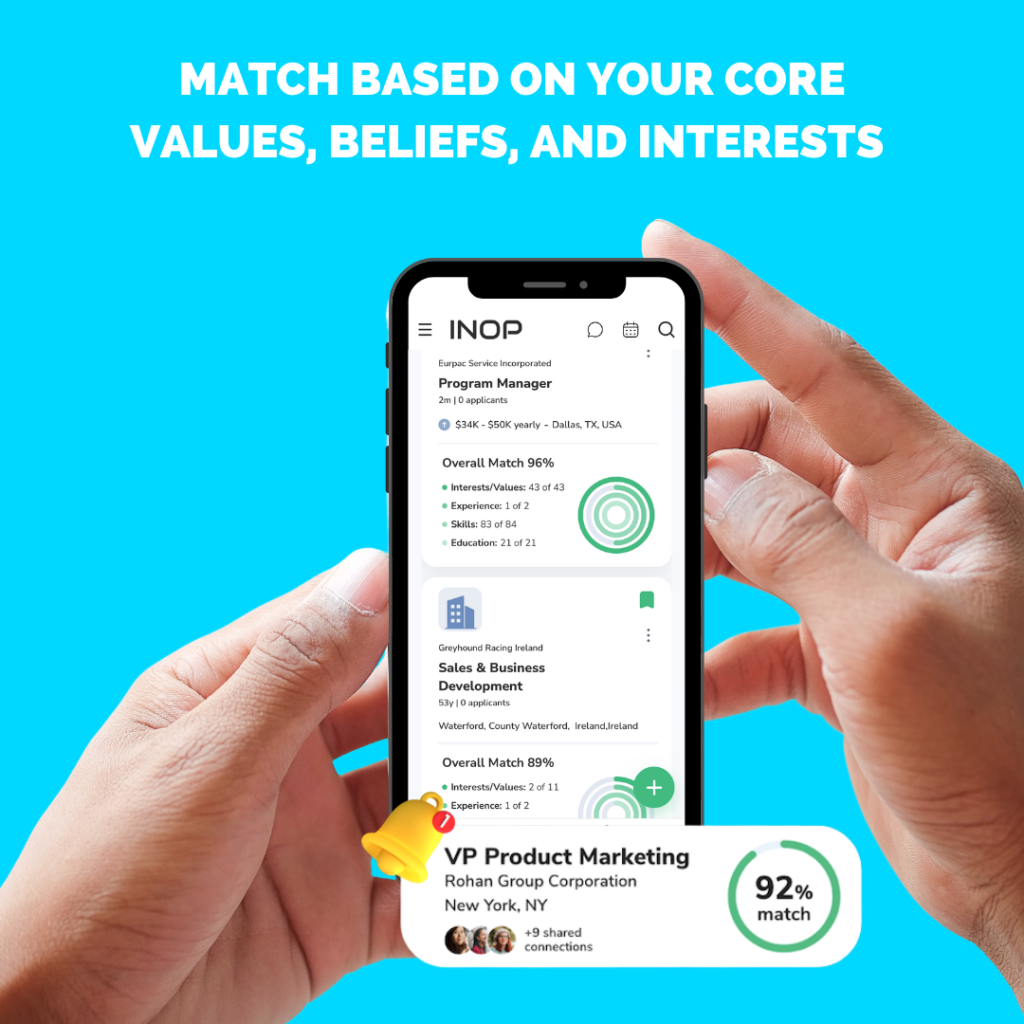
INOP: AI‑Powered Values Matching
INOP connects impact‑driven professionals with companies that share their beliefs and goals—helping recruiters build teams where purpose and performance go hand in hand. Download INOP to start matching on values, not just résumés.