Imagine rejecting a brilliant candidate just because they don’t have a degree—only to see them excel at a competitor’s company. This is the problem traditional hiring creates, and why skill-based hiring has become a game-changer in modern talent acquisition.
Instead of focusing on degrees, job titles, or years of experience, skill-based hiring emphasizes what truly matters: the candidate’s ability to perform. It aligns with the growing demand for agility, fairness, and innovation in recruitment. In this guide, we’ll explore what skill-based hiring means, why it’s gaining momentum, its benefits, challenges, and how organizations can adopt a skills-first approach to attract the right talent.
What Is Skill-Based Hiring?
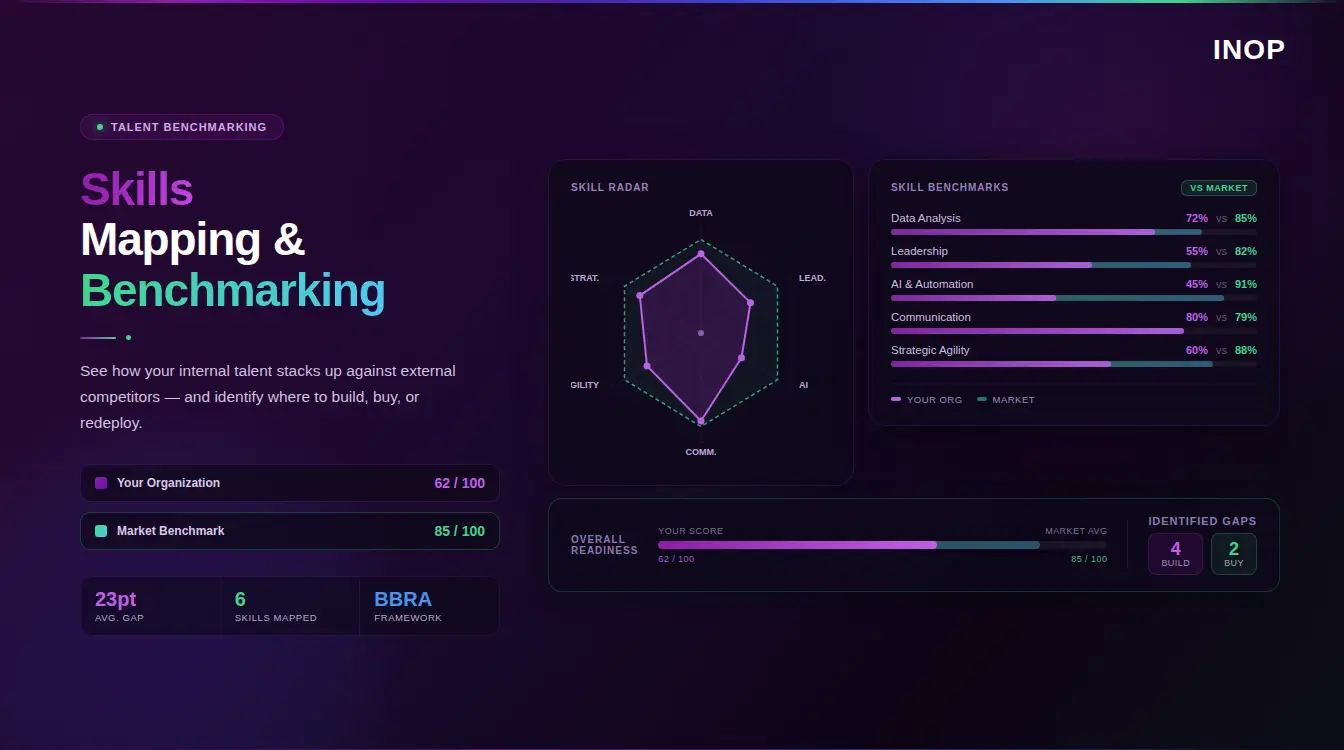
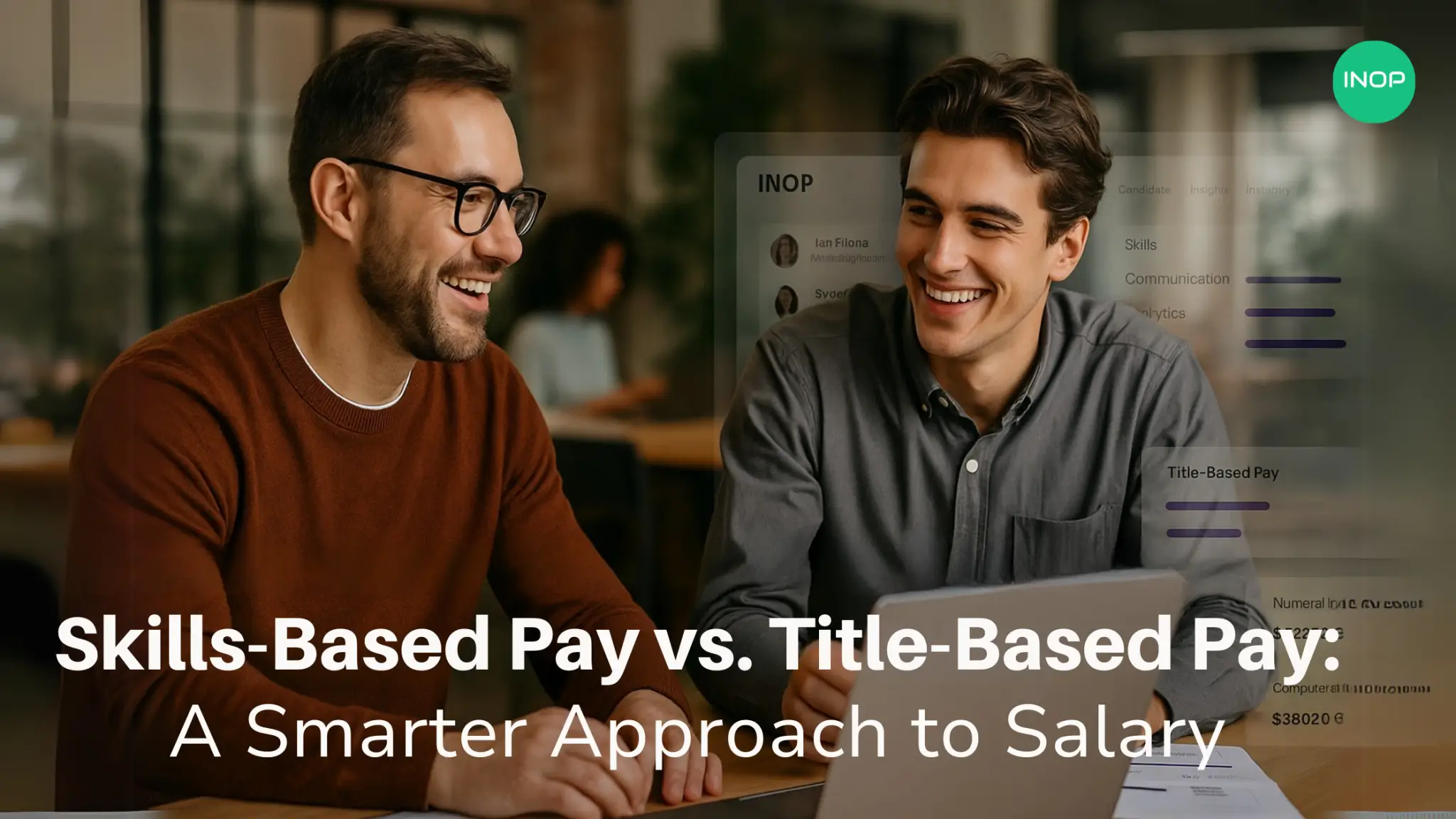
Skill-based hiring is the practice of evaluating and selecting candidates primarily based on their skills rather than traditional credentials such as degrees, prior job titles, or tenure.
Unlike traditional hiring, which might automatically filter out applicants without a bachelor’s degree, skills-first hiring allows employers to focus on the candidate’s proven capabilities through assessments, work samples, certifications, or demonstrated achievements.
This method aligns with competency-based recruitment, where the emphasis is placed on measurable capabilities rather than paper qualifications.
Why Companies Are Shifting Toward Skills-First Hiring
Organizations are rapidly recognizing that rigid hiring processes no longer meet workforce needs. According to LinkedIn’s Global Talent Trends Report, nearly 75% of recruitment leaders now consider skills-first hiring critical for the future.
Some key drivers of this shift include:
- Talent shortages: With digital transformation accelerating, demand for skills in areas like AI, cybersecurity, and data science far outweighs supply.
- Changing career paths: More professionals are upskilling through bootcamps, online platforms, and certifications rather than traditional universities.
- Equity and inclusion: Skills-based hiring reduces bias and creates more diverse candidate pools by removing unnecessary degree requirements.
- Business agility: Companies that hire based on skills are better positioned to adapt quickly to market shifts.
To put it simply, organizations that fail to embrace skills-first hiring risk being left behind in the global competition for talent.
How to Implement Skill-Based Hiring
Transitioning to skills-first hiring requires more than tweaking job descriptions. It involves a strategic overhaul of hiring processes and mindsets.
Here’s how organizations can begin:
Define Core Skills for Each Role
Rather than focusing on degrees, list the specific skills necessary for success in a role. For example, instead of requiring “5 years of marketing experience,” specify skills like SEO, campaign management, or data analytics.
Adopt Modern Assessment Tools
Skills should be validated with structured assessments—such as coding challenges, case studies, or situational judgment tests—rather than gut feelings during interviews.
Leverage Technology
An AI talent platform can streamline skill identification, candidate screening, and matching. These platforms analyze candidate data against role requirements to ensure only the most capable applicants move forward.
Train Hiring Managers
Bias toward traditional credentials can be strong. Training managers to interpret skills assessments fairly is crucial to adoption.
Benefits of Skill-Based Hiring
When done right, skills-first hiring offers benefits for both employers and candidates.
For Employers
- Wider talent pool: By removing degree requirements, companies open doors to candidates with nontraditional career paths.
- Reduced turnover: Employees hired based on skills often perform better and stay longer.
- Increased diversity: Removing rigid barriers fosters inclusion and creates stronger, more innovative teams.
- Faster hiring: Competency-based recruitment reduces mismatches and accelerates decision-making.
For Candidates
- Equal opportunity: People are judged by what they can do, not where they studied.
- Career mobility: Workers can transition across industries by showcasing transferable skills.
- Motivation and engagement: Being valued for abilities rather than credentials enhances workplace satisfaction.
Challenges of Skills-First Hiring (and How to Overcome Them)
While the benefits are clear, adopting skill-based hiring is not without challenges.
- Resistance to change: HR teams and managers may cling to degrees as a convenient screening filter.
- Solution: Use pilot programs to showcase improved outcomes.
- Assessment design: Poorly designed tests may fail to measure true job competence.
- Solution: Partner with experts to build role-specific assessments.
- Scalability: Conducting in-depth skill assessments for large applicant pools can be time-consuming.
- Solution: Use automation and technology to streamline processes.
The Future of Skills-First Talent Acquisition
The trend toward skill-based hiring is here to stay. A Deloitte report projects that by 2030, 85% of organizations will prioritize skills over traditional qualifications.
As industries evolve, so will the metrics for measuring competence. Employers that embrace competency-based recruitment today will be better equipped for tomorrow’s workforce challenges.
Expect to see:
- Integration of skills taxonomies in workforce planning.
- Greater reliance on digital credentials and micro-certifications.
- AI-driven predictive hiring models.
Conclusion
Skill-based hiring isn’t just a trend—it’s a fundamental shift in how companies identify, evaluate, and retain talent. By prioritizing skills-first hiring, organizations unlock larger talent pools, improve diversity, and future-proof their workforce against rapid market changes.
For candidates, it offers a level playing field, empowering them to showcase their strengths without being boxed in by degrees or rigid qualifications.
The time for change is now. Employers that embrace this approach will not only outcompete others in the war for talent but also build a workforce that thrives in an ever-changing world.
👉 If you found this guide helpful, share it with your network or leave a comment with your thoughts on skill-based hiring.
FAQs
What is skill-based hiring?
Skill-based hiring focuses on evaluating candidates based on demonstrated skills and competencies rather than degrees or prior job titles.
How is skill-based hiring different from traditional hiring?
Traditional hiring emphasizes credentials, while skill-based hiring looks at actual ability, validated through assessments, portfolios, or certifications.
What are the main benefits of skill-based hiring?
It broadens the talent pool, improves diversity, reduces turnover, and provides a fairer hiring process for candidates.
What is competency-based recruitment?
It’s a structured hiring approach where candidates are assessed based on specific competencies—skills, behaviors, and capabilities—required for a role.
How can technology support skill-based hiring?
Technology, especially AI-driven platforms, can automate skill assessments, analyze candidate profiles, and match applicants to roles based on their true capabilities.