In today’s competitive job market, knowing how to negotiate your salary effectively isn’t just a skill—it’s a necessity. Whether you’re starting a new job or seeking a raise at your current position, understanding the nuances of salary negotiation can make a significant difference in your financial well-being.
This blog will walk you through key tips for maximizing your compensation, covering everything from preparation to in-the-moment strategies. By the end of this post, you’ll be armed with the knowledge you need to approach salary negotiations with confidence and poise.
Do Your Research: Leverage INOP Insights for Informed Negotiations
Before you even step into the negotiation room, it’s crucial to know what others in your field are earning. Start by researching industry standards and average salaries for your position in your geographical area. But why stop there when you can dig even deeper?
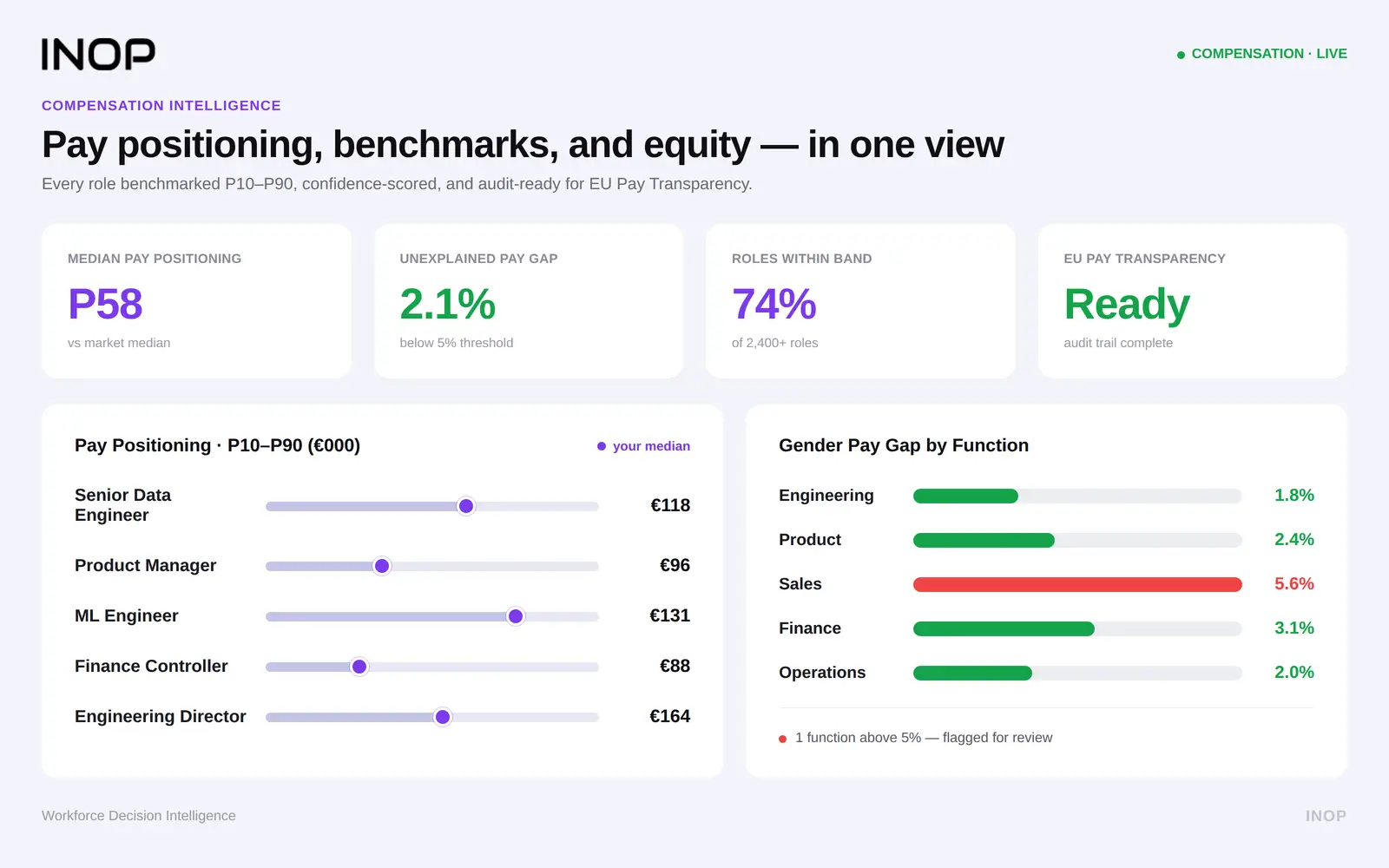
With INOP, you can access detailed insights that allow you to compare salaries across industries, companies, and countries, all tailored to your specific skill set. This goes beyond just looking at average salaries—you can pinpoint how different factors, such as company size, industry demand, and geographical location, influence compensation.
Understanding your market value is a crucial first step in any successful salary negotiation. This is where compensation analytics becomes invaluable. By leveraging data-driven insights into industry standards, job roles, experience levels, and geographic trends, you can approach negotiations with a clear picture of what your skills are truly worth. Whether you’re preparing for a job interview or asking for a raise, using compensation analytics empowers you to make informed decisions and back up your requests with credible data—giving you a strong edge at the negotiation table.
Why is this important?
When you know what’s typical for your industry and how your skills are valued in various contexts, you can ensure that your ask is both reasonable and competitive. INOP’s insights provide you with hard data that you can use to back up your request, making your case even more persuasive during negotiations.
Highlight Your Value: Showcase Your Achievements and Skills
Next, articulate your unique value. Employers pay more for those who bring something special to the table. Create a “brag sheet” listing your major accomplishments, certifications, and measurable successes. Use these points to demonstrate why you’re worth the salary you’re asking for.
Related Reading: Building your Personal Brand
Practice Negotiation: Role-Play Scenarios to Build Confidence
Negotiating can be nerve-wracking, but practice makes perfect. Role-play different scenarios to prepare for various employer responses. Practice your opening statement, and responses to objections, and maintain confident body language to feel more in control during the real negotiation.
- Opening Statement: How to present your salary request.
- Responses to Objections: Countering lower offers.
- Body Language: Maintaining eye contact and a confident posture.
During the Negotiation: Stay Calm and Professional
On the big day, staying calm and professional is key. Employers appreciate composure and respect, even in tough discussions. Take deep breaths, speak slowly, and listen actively. This will help you respond thoughtfully and project confidence.
Be Prepared to Walk Away: Know Your Worth and Stand Firm
One of the most empowering aspects of negotiation is knowing when to walk away. If the offer doesn’t meet your expectations or research, be ready to politely decline. Walking away can sometimes prompt the employer to reconsider and return with a better offer.
Consider the Whole Package: Evaluate Benefits and Perks in Addition to Salary
Remember, salary is just one part of your compensation package. Benefits like health insurance, retirement plans, bonuses, and work-life balance perks add substantial value. When evaluating an offer, consider the total package and don’t hesitate to negotiate these perks as well.

Your Companion in Career Growth
Navigating the job market and mastering salary negotiation can feel overwhelming, but you don’t have to do it alone. INOP is here to help you find jobs that offer competitive compensation and support your career growth. With resources and tools designed to help you excel, INOP is the ultimate companion in your professional journey.
- Industry Comparison: See how salaries vary across different industries for your role.
- Company Insights: Compare compensation packages between companies of similar size or market position.
- Skill-Based Salaries: Evaluate how specific skills influence salary ranges in different regions or sectors.
- Global Perspective: If you’re considering opportunities abroad, INOP helps you understand how salaries stack up in different countries.