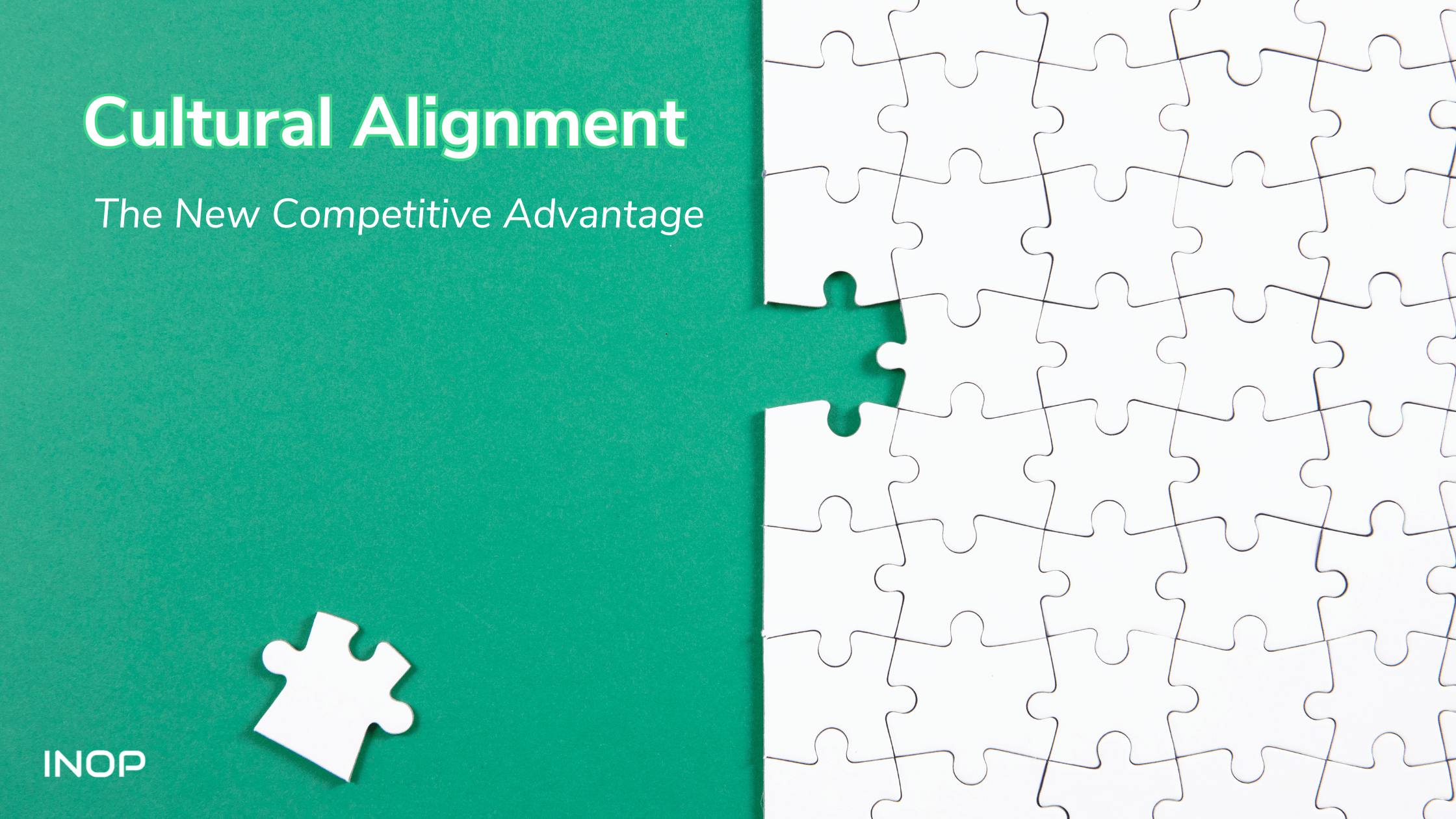
In today’s fast-paced business environment, cultural alignment has become a cornerstone of organizational success. It’s no longer just about skills and experience—businesses thrive when they find individuals who resonate with their values, mission, and work ethos.
When employees feel a sense of belonging and purpose, they are more engaged, productive, and committed to the organization’s goals. Consider this: Gallup reports that highly engaged teams are 23% more profitable and experience 81% lower absenteeism. These numbers underscore the transformative power of cultural alignment.
This is where INOP helps companies match talent to their cultural DNA to unlock extraordinary results. Let’s explore why cultural alignment matters and how INOP excels in delivering this strategic advantage.
Why Cultural Alignment Matters in Today’s Workplace
1. Boosting Employee Engagement: The Key to Motivation
Employees who feel aligned with an organization’s culture are naturally more engaged in their roles. A strong cultural fit fosters belonging, which motivates employees to invest effort and passion into their work.
The American Psychological Association (APA) reports that 93% of employees who feel valued are motivated to do their best, while 88% describe themselves as highly engaged.
2. Retention Made Simple: The Cultural Advantage
Turnover costs can drain organizational resources. Companies with a well-defined cultural alignment experience lower turnover rates, saving on recruitment and training.
According to LinkedIn’s 2023 Global Talent Trends, 76% of professionals prioritize company values over compensation.
3. Stronger Company Culture
A cohesive culture strengthens the company’s brand and reputation, attracting top talent and customers.
4. Attracting Top Talent with Authentic Values
High-performing candidates actively seek organizations whose values align with their own. A clearly defined workplace culture attracts like-minded professionals, giving businesses an edge in recruitment.
5. Improves Brand Reputation
Organizations that prioritize cultural alignment are seen as ethical and people-centric, elevating their reputation with customers, employees, and stakeholders alike.
How INOP Excels in Matching Talent to Organizational Values
1. Deep Understanding of Client Culture:
INOP begins with an in-depth analysis of a company’s mission, vision, and values. This ensures a nuanced understanding of the cultural fabric that drives the organization.
2. Comprehensive Candidate Profiling:
Using advanced tools, INOP evaluates candidates beyond technical skills to assess cultural compatibility. This holistic approach guarantees that new hires contribute to the company’s values and goals.
3. Skillful Matching:
INOP uses advanced matching algorithms to identify candidates who not only possess the required skills but also align with the company’s cultural DNA.
4. Ongoing Recommendations:
INOP provides a curated talent pool of culturally aligned candidates, ensuring companies have access to a steady pipeline of exceptional talent.
Cultural alignment is no longer optional—it’s a prerequisite for sustained success in a competitive market. By embracing values-based hiring and alignment, companies unlock their workforce’s full potential.
With INOP’s innovative solutions, businesses can confidently build teams that perform and thrive within their cultural frameworks. Unlock the potential of cultural alignment today—partner with INOP and drive unparalleled results.