Workforce shortages are no longer just an occasional challenge—they’re becoming a recurring pain point across industries. From healthcare to manufacturing to tech, many organizations face gaps that directly impact productivity, revenue, and employee morale. But here’s the good news: predictive analytics can help leaders spot these shortages before they turn into crises. By using data to anticipate trends, companies can build proactive strategies instead of reacting when it’s already too late.
In this article, we’ll explore what predictive analytics is, how it applies to workforce planning, and practical ways HR leaders can use it to anticipate and manage workforce shortages effectively.
What Is Predictive Analytics in Workforce Planning?
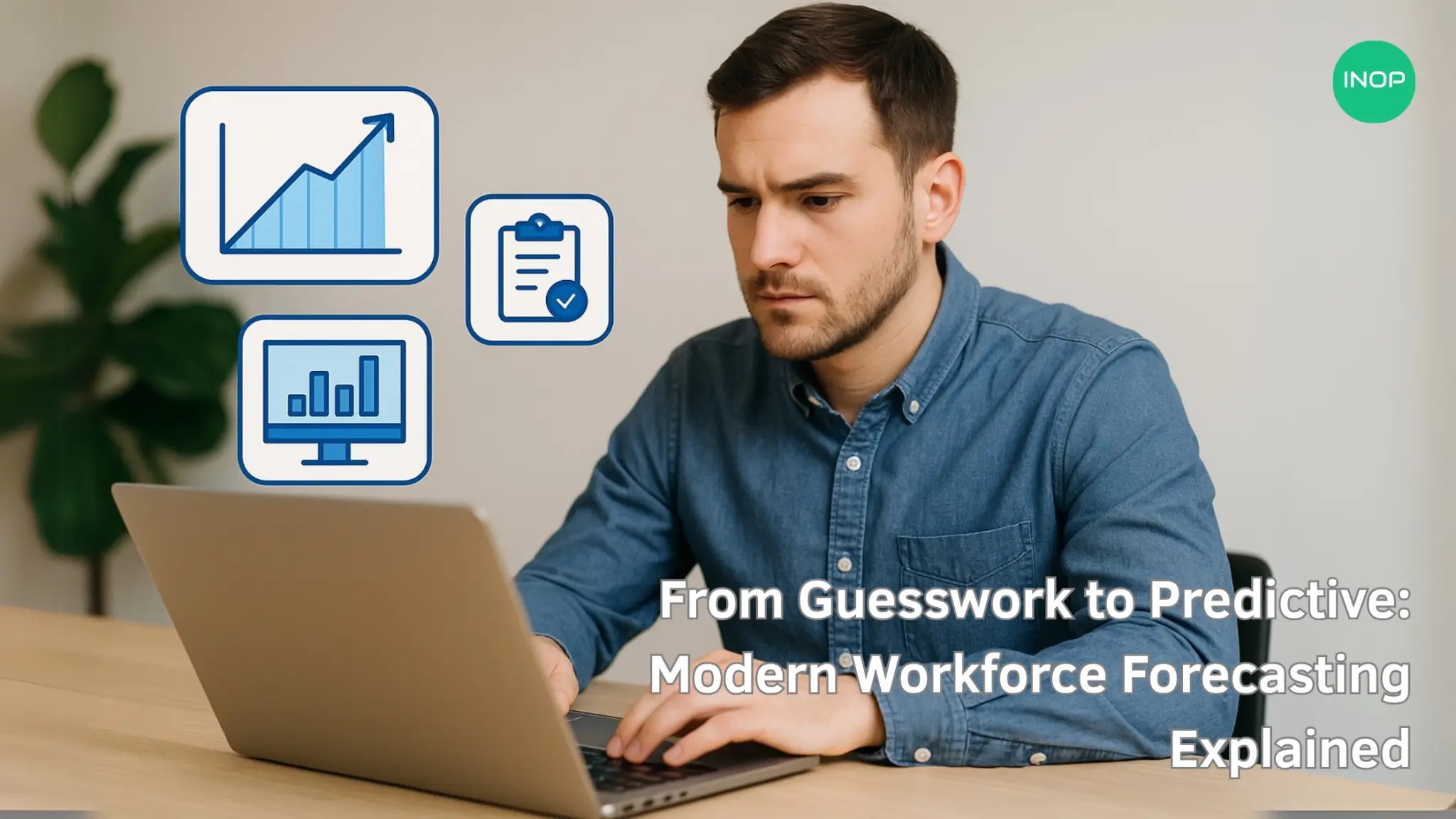
Predictive analytics is the use of historical data, statistical algorithms, and machine learning to forecast future events. In the context of workforce planning, it means analyzing current and past employee trends to predict potential shortages, turnover spikes, or skill gaps.
For example:
- If your company consistently loses 10% of employees in customer-facing roles every summer, predictive analytics can flag this trend and help you adjust your hiring timeline accordingly.
- If retirement-eligible employees make up 35% of your engineering team, predictive modeling can project how soon you’ll face a significant gap in technical expertise.
This data-driven foresight transforms workforce planning from a guessing game into a strategic function. And when paired with a skills based workforce planning platform, it becomes even more powerful, allowing leaders to not only forecast shortages but also map specific skills at risk.
Why Identifying Workforce Shortages Early Matters
Catching potential shortages before they hit allows businesses to:
- Maintain productivity – Fewer disruptions to projects and operations.
- Reduce costs – Avoid expensive last-minute hiring, overtime pay, or contractor reliance.
- Boost employee morale – Prevent burnout from overworked teams.
- Stay competitive – Ensure the right people and skills are available when needed.
Research from Deloitte shows that companies using advanced workforce analytics are 31% more likely to have strong talent pipelines compared to peers who don’t. The earlier you can see workforce risks, the more options you have to address them strategically.
Key Predictive Analytics Techniques for Workforce Shortage Detection
To identify workforce shortages, organizations can apply several approaches:
Trend Analysis
This method uses historical workforce data to identify recurring patterns. For example, seasonal hiring surges in retail or recurring attrition cycles in tech support roles.
Attrition and Turnover Modeling
Machine learning models can predict which employees are most likely to leave based on tenure, role, performance, or engagement scores. A predictive model might flag that employees in a certain department with low training opportunities are twice as likely to resign within 12 months.
Skills Gap Forecasting
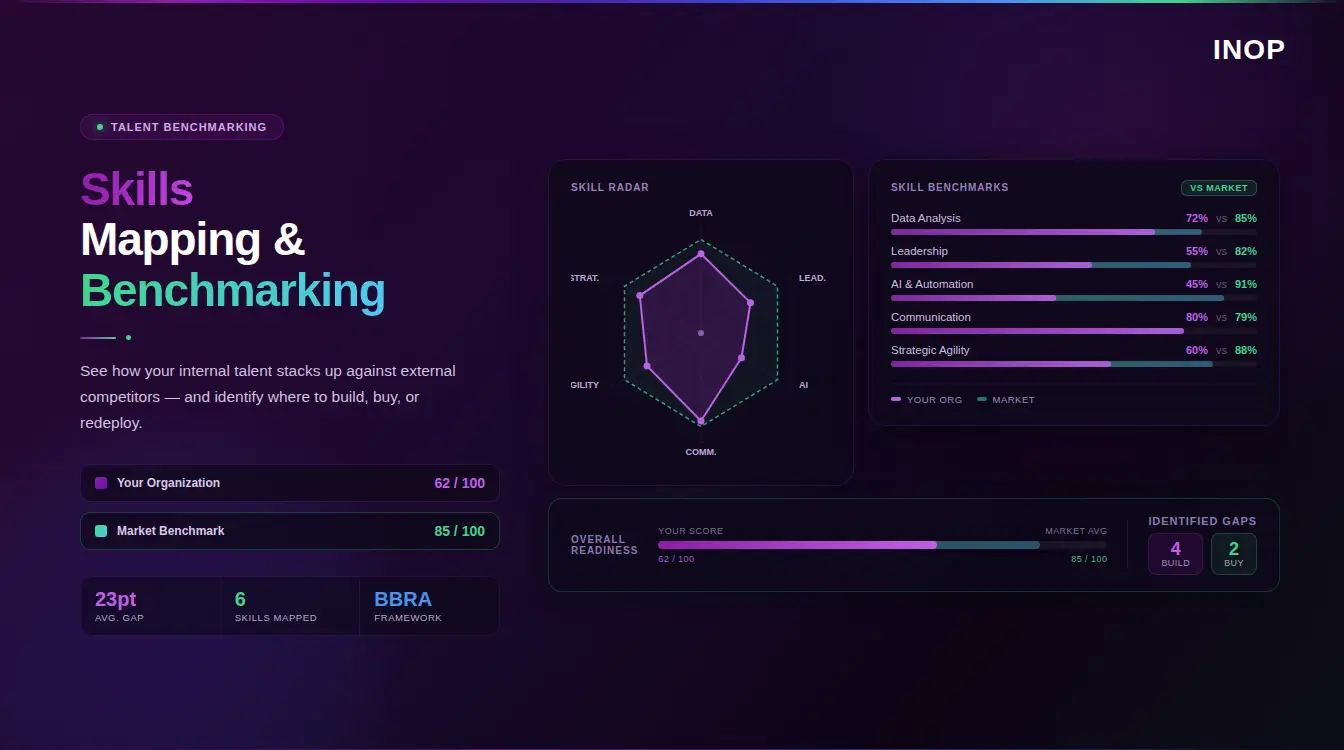
By comparing current skill inventories with future project demands, companies can anticipate shortages in critical areas like cybersecurity, AI development, or healthcare specialists.
Scenario Planning
Predictive analytics also enables “what-if” simulations. HR can test scenarios such as “What happens if turnover rises by 15%?” or “How many hires will we need if market demand grows by 20%?”
Suggested Article: Workforce Operations: Driving Efficiency and Agility
Practical Steps to Implement Predictive Analytics for Workforce Planning
Getting started doesn’t require a massive overhaul—just a structured approach.
- Collect and Clean Data
Ensure you have reliable data on turnover, demographics, employee performance, hiring pipelines, and training records. Poor-quality data leads to inaccurate forecasts. - Choose the Right Tools
Many HR analytics platforms integrate predictive modeling. Look for solutions that allow flexible dashboards, real-time updates, and scenario planning. - Start Small
Begin with a pilot project in one department (e.g., sales turnover forecasting) before scaling across the company. - Collaborate Across Departments
HR, finance, and operations should work together to align workforce forecasts with broader business goals. - Act on Insights
Predictive analytics is only valuable if it leads to action—whether that’s upskilling employees, adjusting hiring strategies, or rethinking workforce structures.
To turn these predictive insights into tangible business outcomes, HR teams must establish a continuous cycle of workforce management forecasting. This practice connects your raw data directly to real-world operational planning—allowing you to accurately model the financial impact of turnover and execute targeted hiring strategies months before a talent shortage actually impacts your bottom line.
Real-World Example of Predictive Analytics in Action
A large hospital network noticed rising turnover among nurses, which threatened patient care. By applying predictive analytics, they identified three key drivers: long overtime hours, lack of career progression, and high stress in critical care units.
Armed with these insights, leadership introduced retention bonuses, revamped training programs, and restructured staffing schedules. The result? Nurse turnover decreased by 18% in just one year, saving millions in recruitment and overtime costs.
Challenges to Watch Out For
While predictive analytics is powerful, there are pitfalls to avoid:
- Data Privacy Concerns – Handling employee data responsibly is critical.
- Over-Reliance on Technology – Predictive models should guide decisions, not replace human judgment.
- Change Management – Leaders and HR teams need to trust and adopt analytics-driven insights.
o build accurate predictive models, you cannot rely on siloed, historical HRIS metrics alone. Forward-thinking organizations must leverage comprehensive talent intelligence data that seamlessly combines internal performance metrics, external market trends, and real-time skills tracking. This holistic, unified data layer serves as the foundational fuel for any predictive analytics engine, allowing you to foresee workforce shortages and market shifts long before they impact your daily operations.
Future Outlook: Predictive Analytics and Workforce Agility
The demand for predictive workforce analytics is only growing. Gartner predicts that by 2026, 70% of organizations will use predictive analytics to support strategic workforce planning.
As industries face talent shortages driven by demographic shifts, automation, and evolving skill requirements, predictive analytics will become essential—not optional.
Conclusion
Workforce shortages are inevitable, but being blindsided by them doesn’t have to be. Predictive analytics gives organizations the power to forecast risks, plan proactively, and build resilient workforces. By combining historical trends, real-time data, and scenario modeling, HR leaders can ensure they’re prepared for tomorrow’s challenges.
If you want your organization to stay ahead, don’t wait until gaps appear. Start exploring predictive analytics today—your future workforce will thank you.
👉 What’s your experience with workforce planning? Share your thoughts in the comments or explore more resources on how analytics can shape smarter HR strategies.
FAQs
What data is most important for predictive workforce analytics?
Turnover rates, employee demographics, training records, performance data, and recruitment timelines are among the most valuable datasets for workforce forecasting.
Can predictive analytics replace HR decision-making?
No. Predictive analytics is a decision-support tool. It highlights patterns and risks but should always be paired with human judgment and contextual knowledge.
How accurate are predictive models for workforce shortages?
Accuracy depends on data quality and model sophistication. Well-built models using robust datasets can achieve 80–90% accuracy in predicting turnover or shortages.
Do small businesses benefit from predictive analytics?
Yes. Even smaller organizations can use simplified analytics models to predict turnover or skill gaps, often using tools built into HR software.
What industries benefit the most from predictive workforce analytics?
Healthcare, retail, manufacturing, finance, and tech see the biggest advantages due to high turnover risks and specialized skill needs.