In an era where organizational agility and employee empowerment are paramount, traditional job descriptions can feel like relics of the past. While they offer structure and clarity, they often fall short in addressing the continuous evolution of skills and career paths. Enter skills mapping—a dynamic, forward-thinking approach that complements and, in many cases, outperforms conventional job descriptions. In this article, we’ll explore how skills mapping and job descriptions differ, why integrating both can lead to smarter workforce planning, and how to implement these strategies effectively for lasting impact.
Understanding Skills Mapping
Defining Skills Mapping
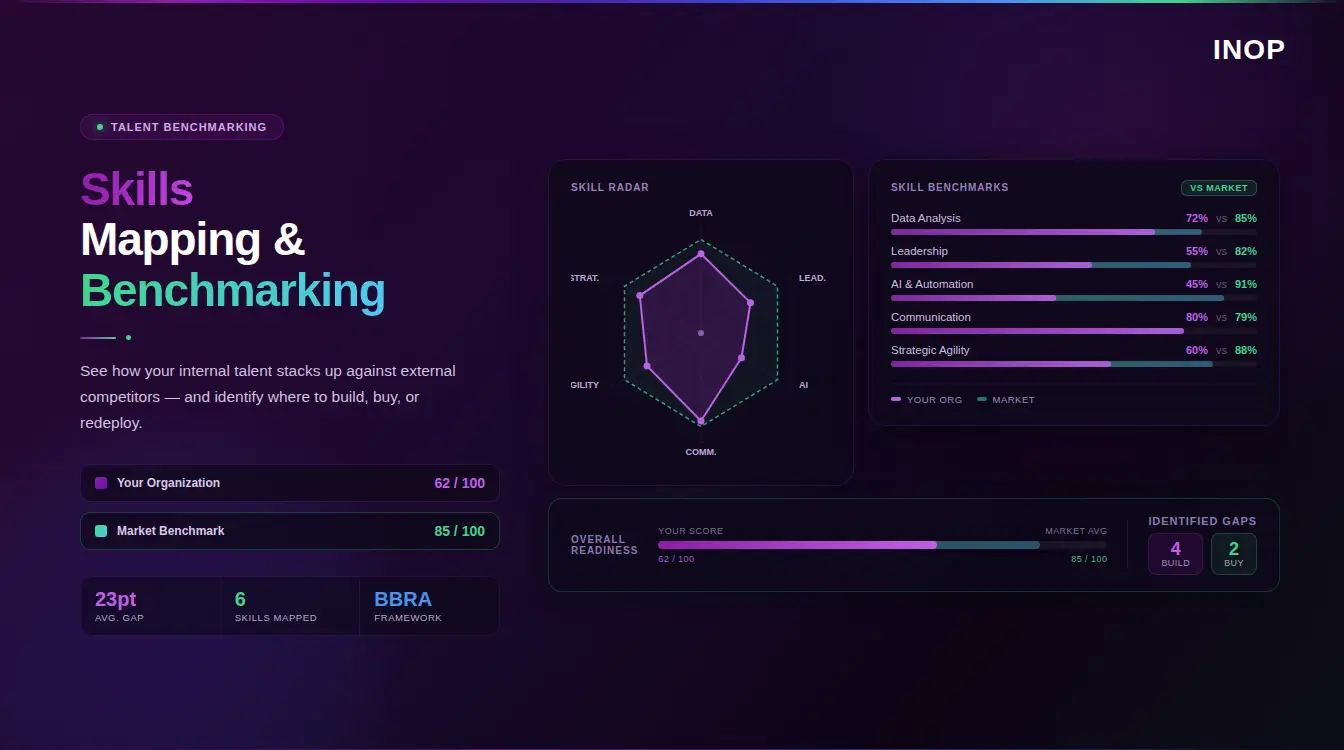
Skills mapping is the process of identifying, cataloging, and analyzing the competencies required for specific roles, teams, or organizational goals. Unlike static job descriptions that emphasize tasks and responsibilities, skills mapping centers on what employees know and can do. This approach involves:
- Listing core and supplementary skills: From technical abilities to soft skills like communication and leadership.
- Assessing proficiency levels: Ranging from foundational to expert.
- Aligning skills with business objectives: Ensuring each competency directly supports strategic priorities.
Benefits of a Skills-Centric Approach
Adopting skills mapping can transform talent management in several ways:
- Enhanced internal mobility: Companies that leverage skills mapping see up to a 30 percent increase in internal promotions, leading to reduced recruitment costs and higher retention rates.
- Data-driven learning and development: By pinpointing skill gaps, organizations can allocate training budgets more effectively, potentially boosting training ROI by 20 percent.
- Future-proofing the workforce: Continuous skills assessments enable leaders to anticipate emerging needs and prepare teams for market shifts.
This proactive perspective turns employees into agile assets rather than fixed resources.
What Is the Difference Between Skills Mapping and Job Descriptions?
While both skills mapping and job descriptions aim to define workforce needs, they operate on fundamentally different principles and serve distinct strategic purposes.
Focus and Orientation
Job descriptions are role-centric. They outline specific duties, responsibilities, and required qualifications for a position at a fixed point in time. Their purpose is to clearly define what a person does.
Skills mapping, on the other hand, is person-centric and dynamic. It focuses on what an employee can do—the abilities, knowledge, and behaviors they possess. Rather than defining static roles, it captures evolving competencies that support both current tasks and future opportunities.
The deeper framework that defines what those behaviors should look like at each level is competency mapping. the structured process of identifying the specific skills, knowledge, and behaviors required for effective performance in a role. Skills mapping measures the gap between the standard and reality; competency mapping defines the standard itself.
Level of Flexibility
Job descriptions are often static documents that require manual updates. In fast-changing environments, they quickly become outdated. Skills mapping is inherently adaptive. It allows organizations to revise skills inventories in real time as business needs shift or new technologies emerge.
Role in Talent Management
Job descriptions play a foundational role in hiring, setting expectations, and managing compliance. Skills mapping goes further—it enables strategic workforce planning, targeted learning and development, and effective succession planning. For instance:
- A job description may list “3 years of project management experience.”
- Skills mapping identifies which project management frameworks the employee has mastered (e.g., Agile, Scrum) and their proficiency level.
Strategic Impact
While job descriptions help companies fill roles, skills mapping helps them build capabilities. It informs decisions like:
- Who is ready for a promotion?
- Which skills are missing from a department?
- What training investments will deliver the highest ROI?
By contrast, job descriptions often support short-term hiring goals without offering a full picture of growth potential.
Exploring the Role of Job Descriptions
Core Purpose of Job Descriptions
Job descriptions have long served as the foundation of human resources processes. They typically include:
- Role title and summary: A concise overview of the position’s primary function.
- Key responsibilities: Bullet-pointed tasks and duties.
- Qualifications and experience: Educational background and years of relevant work.
- Reporting lines and relationships: Where the role fits within the organizational hierarchy.
This format ensures clarity during recruitment, performance evaluations, and compensation benchmarking.
Common Limitations
Despite their utility, traditional job descriptions can introduce challenges:
- Rigidity: They often become outdated within six to twelve months as technology, processes, and market demands evolve.
- Skill underrepresentation: Emphasis on duties may overlook essential competencies, such as emotional intelligence or digital literacy.
- Siloed perspective: Static descriptions can hinder cross-functional collaboration by reinforcing rigid boundaries.
By focusing on tasks rather than capabilities, job descriptions may unintentionally stifle growth and adaptability.
Related Article: What Is Skills Based Pay?
Comparing Skills Mapping and Job Descriptions
Alignment with Organizational Goals
- Skills Mapping: Directly connects competencies to strategic objectives, ensuring workforce development parallels business priorities.
- Job Descriptions: Primarily oriented toward operational tasks, which may not fully capture the skill sets needed for future initiatives.
Flexibility and Scalability
- Skills Mapping: Adapts to market changes by updating skill taxonomies and proficiency benchmarks.
- Job Descriptions: Requires manual revision; the process can be slow and resource-intensive, leading to outdated documents.
Employee Development Focus
- Skills Mapping: Encourages personalized career paths by highlighting transferable skills and growth opportunities.
- Job Descriptions: Often emphasize minimum qualifications, which can inadvertently discourage high-potential employees from stretching beyond prescribed duties.
By placing skills at the core, organizations foster a culture of continuous learning and cross-functional mobility.
Implementing a Smarter Planning Approach
Integrating Skills Mapping into Recruitment
Identifying Critical Skill Gaps
Begin by conducting a skills audit across your teams. Use surveys, assessments, and manager interviews to:
- Quantify current skill levels: Determine which competencies are well-covered and which are lacking.
- Forecast future needs: Analyze upcoming projects or technology adoptions to pinpoint emerging skills.
Designing Role Architectures
Rather than crafting individual job descriptions from scratch, develop role families defined by skill clusters. For example:
- Digital Marketing Specialist: SEO proficiency, data analytics, content strategy, and basic HTML.
- Product Manager: Market research, stakeholder management, roadmap planning, and agile methodology.
This framework simplifies recruitment, onboarding, and career progression by standardizing expectations on your strategic workforce planning map.
Enhancing Performance Management with Skills Insights
- Continuous feedback loops: Leverage skills data in performance reviews to discuss strengths and development areas.
- Targeted training plans: Allocate budgets toward the top three skill gaps per department, maximizing learning impact.
- Mentorship matching: Pair employees with mentors whose skills align with mentee goals, boosting development efficacy by up to 40 percent.
By integrating skills mapping into performance cycles, organizations can foster a growth-oriented environment.
Leveraging Technology for Dynamic Mapping
Modern HR technologies enable:
- Automated skills assessments: AI-driven tools that evaluate competencies through simulations or quizzes.
- Real-time skill inventories: Dashboards that visualize skill distributions across teams and departments.
- Talent marketplaces: Internal platforms where employees can request projects aligned with their skill interests.
These solutions empower HR leaders to make agile decisions and allocate resources where they’re needed most.
Real-World Success Stories
Company Case Study
A leading global software firm faced a 15 percent drop in employee engagement after a major product pivot. Traditional job descriptions failed to capture new digital skills required for success. By implementing a skills mapping initiative, the company:
- Conducted a comprehensive skills audit for over 2,000 employees.
- Established a dynamic skills framework aligned with product roadmap milestones.
- Rolled out targeted upskilling programs, focusing on cloud architecture and DevOps practices.
Measurable Results
Within six months, the firm observed:
- A 20 percent increase in employee engagement, driven by clearer career pathways.
- A 25 percent reduction in external hiring costs, as internal mobility filled 60 percent of new roles.
- A 30 percent improvement in cross-functional collaboration, as teams leveraged shared competencies.
These outcomes demonstrate the tangible impact of a skills-centric strategy.
Conclusion
Both skills mapping and job descriptions play vital roles in workforce planning. Job descriptions offer structure and clarity, ensuring operational needs are met. Skills mapping injects agility and future-readiness, aligning talent development with strategic objectives. By blending these approaches, organizations can:
- Maintain clear role definitions while fostering continuous learning.
- Streamline recruitment and internal mobility through standardized role architectures.
- Enhance employee engagement with personalized development pathways.
Adopting a hybrid model transforms talent management from a reactive process into a proactive, data-driven practice.