Have you ever wondered why some companies seem to consistently hire the right people, while others struggle with mismatched hires and high turnover? The secret often lies in one critical process: talent screening.
Talent screening is more than just a quick background check or a glance at a résumé. It’s the structured process of evaluating candidates to determine whether they have the right skills, experience, and cultural fit to succeed in a role. Done correctly, talent screening helps organizations reduce hiring risks, improve employee retention, and build stronger teams.
In this article, we’ll break down what talent screening is, why it matters, how it works, and the best practices companies can use to make smarter hiring decisions. Whether you’re an HR professional, a hiring manager, or a business leader, this guide will help you see talent screening as a powerful tool — not just a checkbox in the recruitment process.
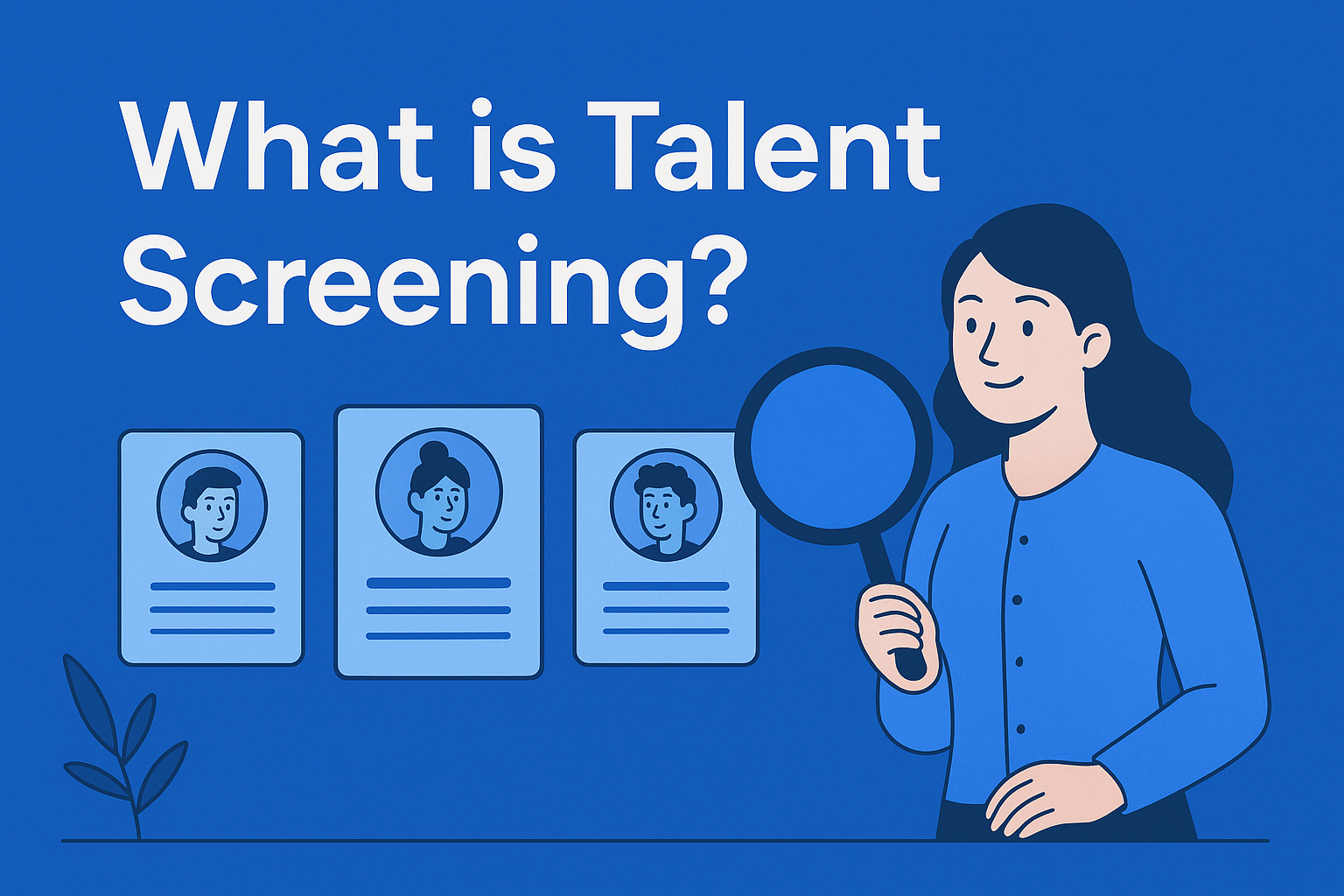
What is Talent Screening?
At its core, talent screening is the process of assessing job candidates to determine whether they meet the requirements for a position and align with the organization’s values. It typically takes place in the early to mid-stages of recruitment, before candidates move on to interviews or final evaluations.
The process often includes:
- Reviewing résumés and application forms.
- Conducting skills assessments or pre-employment tests.
- Checking references and employment history.
- Running background and compliance checks.
- Evaluating cultural fit and soft skills through structured interviews.
Unlike simple resume scanning, talent screening provides a holistic view of a candidate, blending technical qualifications with behavioral and cultural indicators. If you are looking for ai talent platform, click.
Why Talent Screening Matters
Hiring mistakes are costly. According to the U.S. Department of Labor, the cost of a bad hire can reach up to 30% of the employee’s first-year earnings. Beyond financial losses, poor hiring decisions can affect team morale, client relationships, and long-term growth.
Effective talent screening helps organizations:
- Reduce hiring risks by identifying red flags early.
- Improve retention by selecting candidates who align with both the role and company culture.
- Enhance diversity and fairness when screening processes are standardized and bias is minimized.
- Save time and resources by filtering out unqualified candidates before deeper stages of recruitment.
Simply put: talent screening sets the stage for quality hiring.
Key Components of Talent Screening
While every organization tailors its process, most talent screening strategies include the following core elements:
Résumé and Application Review
This is often the first step. Recruiters verify work history, education, and career progression while spotting potential inconsistencies or unexplained gaps.
Skills and Competency Assessments
These tests measure technical knowledge, problem-solving abilities, or job-specific skills. For instance, a sales candidate may be asked to role-play a client call, while an accountant might complete a short case study.
Background and Reference Checks
Beyond verifying facts, references provide insights into how a candidate performed in past roles, including teamwork, reliability, and communication.
Cultural Fit and Behavioral Evaluation
Skills get candidates hired, but culture keeps them engaged. Cultural fit assessments explore whether candidates share the values, behaviors, and work style that align with the company’s environment.
Compliance and Risk Checks
Depending on the industry, this may include criminal record checks, credit history reviews, or licensing verification to ensure regulatory compliance.
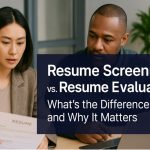
Talent Screening vs. Resume Screening
It’s important to distinguish talent screening from resume screening.
- Resume screening: A basic filtering process, often automated by Applicant Tracking Systems (ATS), that looks for keywords, education, or experience.
- Talent screening: A deeper, more comprehensive evaluation that considers technical, behavioral, and cultural aspects of a candidate.
Think of it like this: resume screening answers “Can this person do the job on paper?”, while talent screening answers “Will this person succeed and thrive in this job?”
The Shift to Skills-Based Talent Screening
Historically, screening relied heavily on pedigree, where a candidate went to school or their previous job titles. Today, leading organizations are transitioning to skills-based talent screening.
In a skills-first hiring model, the screening process ignores the resume’s formatting and focuses entirely on verifiable competencies. Instead of asking, “Did they hold a similar title?” recruiters use pre-employment skills screening to ask, “Can they execute the capabilities required for this role?” This approach drastically widens the talent pool, uncovers hidden talent, and reduces the risk of AI-generated resume fraud.
Common Methods of Talent Screening
Different organizations use different methods depending on role complexity, budget, and hiring goals.
- Psychometric Testing: Assessments that measure personality traits, cognitive ability, and behavioral tendencies.
- Video or Phone Screening Interviews: Initial interviews to gauge communication skills and motivation before in-person meetings.
- Work Sample Tests: Assignments that simulate real job tasks, offering insight into a candidate’s practical abilities.
- Panel or Structured Interviews: Standardized questions that reduce bias and provide comparable data across candidates.
AI Talent Screening Software vs. Manual Review
For enterprise companies, manually reviewing hundreds of applicants is no longer financially viable. This has led to the rapid adoption of AI talent screening software.
While manual screening is slow and highly susceptible to unconscious bias, modern talent intelligence platforms automate the top of the funnel. AI-driven screening tools evaluate candidates against a dynamic skills taxonomy, instantly matching their verifiable capabilities and values with the exact requirements of the role. The best AI platforms don’t act as a “black box” that blindly rejects candidates; instead, they provide transparent scoring and evidence-based recommendations, allowing human recruiters to make faster, bias-reduced decisions.
Top 5 Talent Screening Questions to Ask
Whether you are conducting a phone screen or an initial video interview, asking the right talent screening questions is vital to filtering out poor fits early. Here are five high-impact questions to include in your process:
- The Capability Question: “Can you walk me through a specific project where you had to use [Core Skill] to solve a problem?” (Validates hands-on experience).
- The Self-Awareness Question: “What is a capability or skill you are actively trying to improve right now?” (Assesses growth mindset).
- The Culture Question: “In what type of work environment do you find yourself the most productive and engaged?” (Checks for cultural and workforce fit).
- The Adaptability Question: “Tell me about a time a project’s goals changed halfway through. How did you pivot?” (Measures resilience in agile environments).
- The Expectations Question: “What are your salary expectations, and what are your non-negotiables for your next role?” (Ensures alignment before wasting interview time).
Challenges in Talent Screening
While beneficial, talent screening also comes with challenges:
- Bias and Subjectivity: If not standardized, unconscious bias can affect decisions.
- Over-Reliance on Technology: Automated systems may filter out great candidates who don’t use the “right” keywords.
- Candidate Experience: Lengthy or overly complex screening can frustrate applicants and hurt employer branding.
- Data Privacy Concerns: Background checks must comply with legal regulations such as GDPR or FCRA.
Balancing thoroughness with fairness and efficiency is the key.
Best Practices for Effective Talent Screening
To maximize the benefits of talent screening, organizations can adopt several best practices:
- Define Clear Role Requirements: Align screening criteria with must-have skills and values.
- Use Multiple Screening Tools: Rely on a mix of assessments, not just resumes or automated filters.
- Standardize the Process: Structured interviews and consistent scoring rubrics reduce bias.
- Communicate Transparently: Keep candidates informed about the steps and timelines.
- Leverage Data Analytics: Use screening data to refine hiring strategies and forecast talent needs.
The Future of Talent Screening
As technology evolves, so does talent screening. Companies are increasingly adopting AI, predictive analytics, and gamified assessments to evaluate candidates more effectively.
For example, AI-driven video interviews can analyze speech patterns, body language, and emotional responses, while predictive models can forecast long-term employee performance. However, the future also demands careful attention to ethics, fairness, and inclusivity, ensuring that technology enhances rather than replaces human judgment.
Transforming the Process with INOP’s Talent Intelligence
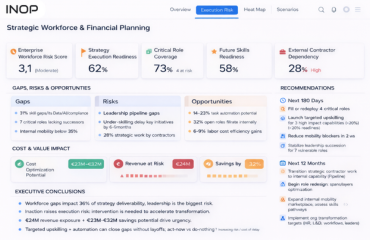
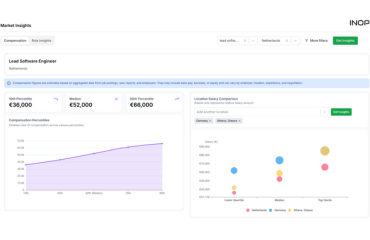
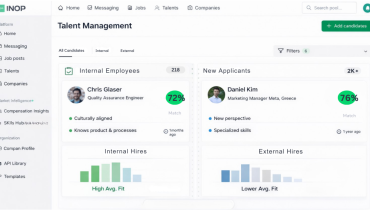
If your organization is still relying on static resumes and manual phone screens, you are likely losing top talent to faster competitors. INOP’s AI Talent Intelligence Platform integrates directly into your existing ATS to revolutionize how you screen candidates.
By evaluating candidates beyond their CVs—focusing on verified skills, cultural alignment, and long-term potential, INOP provides clear scoring and recommendations. It eliminates the guesswork, reduces your time-to-hire, and ensures that every candidate who makes it to the final interview stage has the exact capabilities needed to execute your business strategy.
Conclusion
Talent screening is not just about filtering candidates — it’s about building stronger, more resilient organizations. By combining technical assessments, cultural fit evaluations, and compliance checks, companies can reduce hiring risks and create teams that thrive long-term.
Organizations that invest in thoughtful, fair, and data-driven screening processes gain a significant advantage in today’s competitive job market.
Make confident workforce decisions that support strategy and value creation.
See how INOP gives leaders a real-time, skills-based view of their workforce, revealing critical capabilities, gaps, and workforce risks that affect execution, performance, and future readiness.
INOP connects HR, business, financial, market, and technology data into one workforce decision intelligence platform built for HR, business, and operating leaders.