Imagine a workplace where employees understand how their pay is determined—and feel confident it’s fair. That trust transforms into loyalty. Data‑driven pay strategies do exactly that, using objective metrics and transparent structures to improve retention and build trust across the organization.
This article explores how evidence-based pay decisions strengthen culture, fairness, and long-term engagement—and why every HR leader should prioritize them now.
What Are Data-Driven Pay Strategies?
A data‑driven pay strategy uses market benchmarks, company performance data, and internal analytics to inform compensation decisions. Rather than relying on gut feelings or arbitrary increases, this method aligns pay with real-world data and defined outcomes.
Why Data‑Driven Pay Builds Trust
Transparency Reduces Uncertainty
When roles and rewards map clearly to data-based pay bands, employees understand “how this works.” It dispels rumors and speculation, creating stability and fairness.
Equity Is Measurable and Actionable
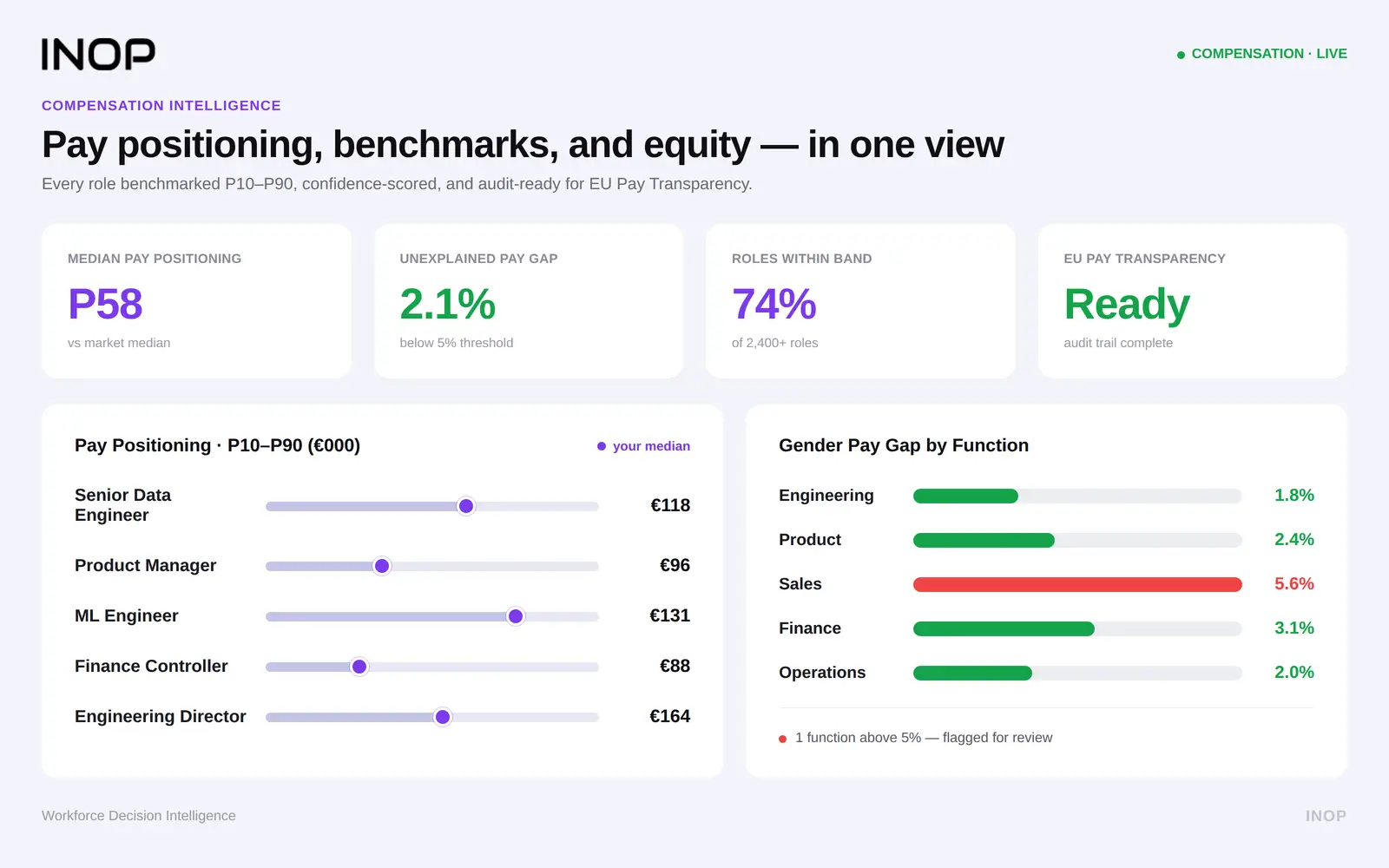
By comparing internal data against external benchmarks, companies can spot disparities—by role, function, performance level, or demographics—and correct them proactively.
Employees Feel Valued, Not Overlooked
Structured strategies signal that talent is taken seriously. Promotions and raises become expected milestones, not surprises or guesswork.
The Impact on Retention and Engagement
Retention improves when employees see paths forward.
- Organizations using compensation analytics report turnover reductions of 20–40% in key teams.
- Employees are 2.5× more loyal when compensation is perceived as fair and competitive.
Data supports structured review cycles and equitable increases—leading to performance gains and reduced turnover costs, which can exceed 100% of salary per lost hire.
Key Components of Effective Pay‑Based Strategies
Market Benchmarking
Use verified salary data for your industry, location, role type, and comparable peer companies to set competitive pay bands.
Internal Analytics & Peer Group Data
Track promotions, bonus cycles, performance ratings, and equity distribution over time to identify inconsistencies.
Automated Tools and Dashboards
Modern HR platforms or talent screening tools (if extended internally) deliver dashboards that enable real-time visibility into compensation trends and gaps.
How to Implement Data‑Driven Pay in Practice
Design Pay Bands with Precision
Set pay ranges by percentile (e.g., 50th percentile base salary + 75th percentile bonus range). Make sure these reflect experience, role impact, and market movement.
Link Performance and Progression Metrics
Performance reviews should feed into data-driven decisions. Employees at midpoint performance may sit at 50th percentile pay; high performers rise on variable components.
Commit to Transparency
Communicate how pay decisions are made. Sharing broad band structures and expectation timelines fosters trust.
Train Managers and HR
Ensure decision-makers understand how to read analytics dashboards and interpret peer group data before justifying any exception.
Monitor Regularly, Not Annually Alone
Check equity gaps, role changes, or market shifts quarterly. Adjust bands proactively—not reactively.
Suggested Article: hybrid pay philosophy
Comparing Traditional vs Data‑Driven Pay
| Feature | Traditional Approach | Data‑Driven Pay Strategy |
|---|---|---|
| Basis for decisions | Manager intuition or history | Market benchmarking and analytics |
| Transparency | Limited | Clear criteria and band structures |
| Equity and bias risk | High | Lower with regular audits |
| Employee impact | Variable | Predictable and performance-linked |
| Adaptation to market change | Slow | Proactive, flexible |
Real‑World Example
At a mid‑sized tech firm, compensation analytics exposed that product team leads were paid 15% below market rates. After adjusting bands and applying retroactive market corrections, employee turnover dropped from 22% to 11% in six months—and engagement survey scores rose 12 points.
Avoiding Pitfalls in Pay Strategy
Overreliance on Outdated Data
Ensure you use up‑to‑date, industry‑specific benchmarks—not stale or general data.
Ignoring Demographic Gaps
Segment analytics by gender, race, and tenure to identify hidden inequities.
Communication Gaps
If bands change without context, employees may feel cheated. Clarity prevents backlash.
Skipping Change Management
Managers must be trained to explain decisions and handle sensitive conversations.
Where Data‑Driven Pay Connects with Broader Talent Strategy
When combined with strategic workforce planning, pay strategies feed into broader initiatives:
- Retention modeling can forecast attrition risk tied to pay competitiveness.
- Coupled with internal mobility or upskilling programs, data-based decisions help reduce turnover via development pathways.
- Equity-informed decisions improve DEI outcomes and strengthen employee engagement.
Conclusion
Data‑driven pay strategies are more than nice-to-have—they’re essential for building trust, improving retention, and supporting long-term business success. By anchoring pay decisions to reliable analytics and open communication, organizations can foster a culture where employees feel seen, rewarded, and motivated.
If you found this helpful, share the article, leave your thoughts in the comments, or explore more on building smarter, fairer compensation systems for today’s workforce.
Frequently Asked Questions
What exactly is a data‑driven pay strategy?
It’s a structured approach to compensation based on actual benchmarking data, performance metrics, and transparent band structures—designed to reduce bias and improve fairness.
How much can retention improve with data‑driven pay?
Companies report turnover reductions between 20–40% when compensation aligns with market benchmarks and clear internal standards.
Does this work for small companies, too?
Absolutely. Even small teams benefit from benchmarking tools, salary surveys, and basic analytics to begin structuring fair pay policies.
What tools support data‑driven pay strategies?
Modern HR platforms and compensation analytics software provide dashboards to track internal equity, peer groups, performance correlation, and longitudinal changes.
How often should benchmarks be updated?
Review compensation data quarterly, or at least semi-annually, especially in competitive or high‑inflation labor markets.